EN
EN

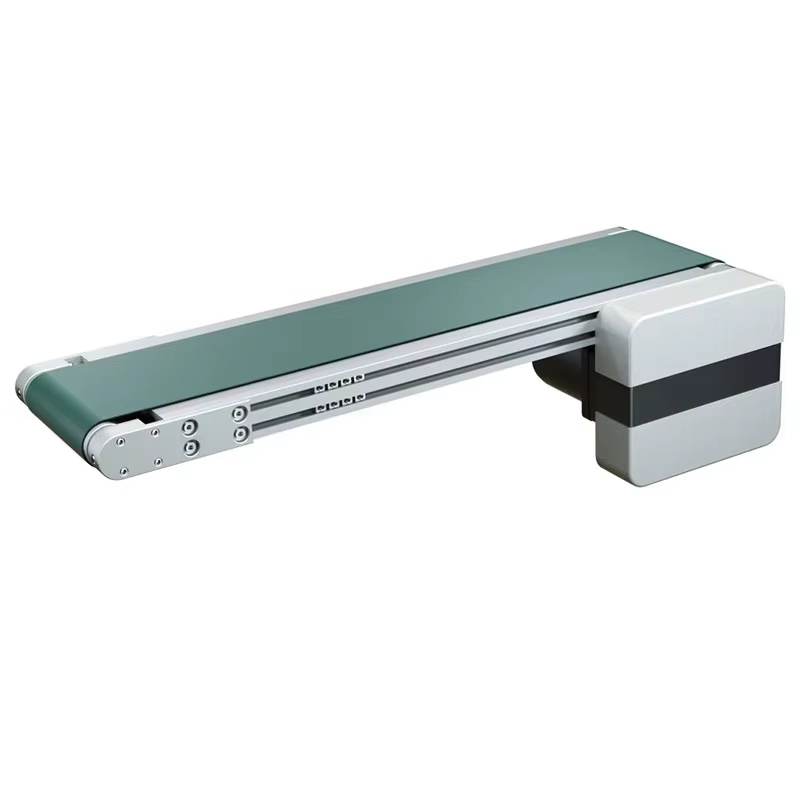
What Defines Light-Duty Material Handling and Where Small Conveyor Belt Systems Fit
Light-duty material handling refers to operations moving items under 100 lbs at speeds below 60 ft/min, with duty cycles under 8 hours daily. These thresholds maximize energy efficiency while minimizing wear. Key boundaries include:
- Load capacity: ≤ 100 lbs per linear foot
- Speed range: 5–60 ft/min
- Duty cycle: ≤ 70% of operational hours
Operational boundaries: load capacity, speed, and duty cycle thresholds
Lightweight systems operate below 160 PIW (Pounds per Inch of Width), ideal for transporting small components like electronics or pharmaceuticals. Exceeding these parameters risks belt slippage, premature wear, and alignment issues. A 2023 logistics study found that systems operating within these thresholds reduced maintenance costs by 38% compared to overloaded setups.
Why small conveyor belt solutions outperform alternatives in agility-critical workflows
Unlike rigid roller conveyors, small conveyor belt systems adapt to rapid product changeovers and compact layouts. Their continuous surface prevents small-item jamming, while modular designs allow reconfiguration in under 30 minutes—critical in high-mix electronics assembly. For agility-driven environments like pharmaceutical packaging, this enables 92% faster line conversions than traditional systems.
Key Functional Benefits of Small Conveyor Belt Systems
Ensuring consistent flow for lean production and just-in-time sequencing
Smaller conveyor belts help avoid production holdups because they keep materials moving smoothly at just the right pace needed for each step. When things run reliably like this, it really helps with lean manufacturing practices. We're talking about serious money here - factories report losses around $10 thousand every hour when there's even one stoppage according to IndustryWeek from last year. These systems are especially good at handling delicate items such as tiny electronic parts or medicine containers, making sure everything arrives exactly when needed. This means companies don't need extra inventory sitting around waiting, which cuts down on wasted resources somewhere between 30% and maybe even 35% depending on how well everything runs together.
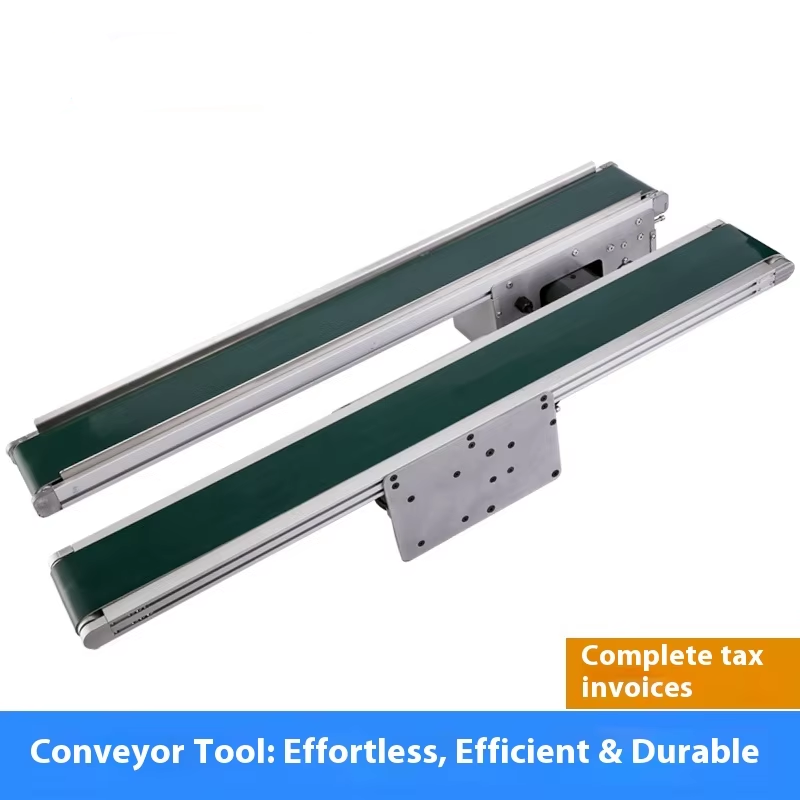
Enabling compact, modular layouts with minimal floor space and reconfiguration time
Compact conveyor belts work really well in areas smaller than 4 square meters and don't need any permanent setup. The standardized connections let workers switch configurations without tools in just a few minutes, which makes all the difference when production lines need to switch between different products. These modular systems cut down on downtime during changes by about three quarters compared to traditional fixed setups, plus they fit into those super tight spots like cleanrooms or complex work cells where space is at a premium. When facility managers save that extra room, they can put it to better use elsewhere in the plant, getting more out of their floor plan investments over time.
| Benefit Dimension | Impact Metric | Industry Application |
|---|---|---|
| Production Continuity | 99.8% uptime reliability | Electronics assembly lines |
| Space Utilization | 40% footprint reduction | Pharmaceutical packaging |
| Reconfiguration Efficiency | 15-minute line changeovers | Contract manufacturing |
Selecting the Right Small Conveyor Belt Material for Your Application
PVC, PU, and fabric-reinforced belts: matching chemistry, traction, and cleanability to use cases
What materials we pick makes all the difference when it comes to how well something performs, lasts over time, and meets regulatory standards. PVC belts are pretty affordable and flexible enough for lighter duty jobs where things stay dry, such as sorting electronic components on assembly lines. PU belts stand out because they resist oils and greases really well, plus they hold up during those regular cleaning sessions. That's why they're so popular in places like pharmaceutical packaging facilities where everything needs to be spotless and the surfaces can't harbor bacteria. For setups that need extra strength, fabric reinforced options like polyester cotton blends work great. These belts handle heavy loads day after day in modular conveyor systems without breaking down under pressure.
Consider these critical factors when specifying belt material:
| Material | Key Properties | Ideal Applications |
|---|---|---|
| PVC | Cost-effective, lightweight, low noise | Parcel sorting, paper goods |
| PU | Oil resistance, easy cleaning, FDA-grade | Pharma, food processing, labs |
| Fabric-Reinforced | High durability, load stability | Packaging lines, durable goods |
The right traction material depends on what the application needs. Textured polyurethane works great for those inclined transfer areas where things tend to slip around, whereas smooth PVC is usually better for straightforward flat line setups. When it comes to places where cleanliness matters most, PU surfaces win out because they don't soak up moisture or bacteria like other materials do. Some tests showed PU cuts down bacterial buildup by almost three quarters compared to stuff that absorbs liquids. In really rough environments though, nobody wants regular belts getting torn apart. That's why many factories switch to fabric reinforced options which hold up much longer against all that wear and tear. Before making any decisions though, always check those compatibility charts first. We've seen too many plants waste money when they pick the wrong materials. The Ponemon Institute reported last year that companies end up spending an extra seven hundred forty thousand dollars every year just from equipment failures caused by incompatible belt materials.
Proven Small Conveyor Belt Applications Across Light-Duty Industries
Small conveyor belt systems excel in light-duty industries by enabling precise, efficient handling of delicate items, reducing manual errors and enhancing throughput in space-constrained environments.
Electronics assembly: handling PCBs, connectors, and micro-components with precision and ESD safety
Small conveyor belts play a big role in electronics manufacturing when it comes to moving delicate stuff like PCB boards, tiny connectors, and microscopic parts around without messing them up. These conveyors are built with special ESD safe materials so they don't generate static electricity that might fry circuits. The design also works well with automation systems, allowing factories to assemble products consistently without mistakes even in tight spaces where room is at a premium. Manufacturers have noticed something interesting happens when they get this right the first time around fewer broken components means less wasted time fixing things later on, which ultimately speeds up how fast products move through the factory floor.
Pharmaceutical packaging: gentle transfer of vials, blister packs, and syringes in regulated environments
In the world of pharmaceuticals, those little conveyor belts make all the difference when moving delicate stuff like vials, blister packs, and syringes around. They handle these items so gently that breakage rates drop dramatically and there's far less chance of contamination during transport. Most work in GMP certified plants where everything counts. The surfaces on these conveyors are super smooth and don't absorb anything, making them a breeze to clean between batches. That matters a lot for meeting those tough cleanliness requirements. When it comes down to it, this kind of reliable equipment is what keeps sterile filling operations running smoothly and helps manufacturers stay compliant with all the regulations governing drug production.