EN
EN

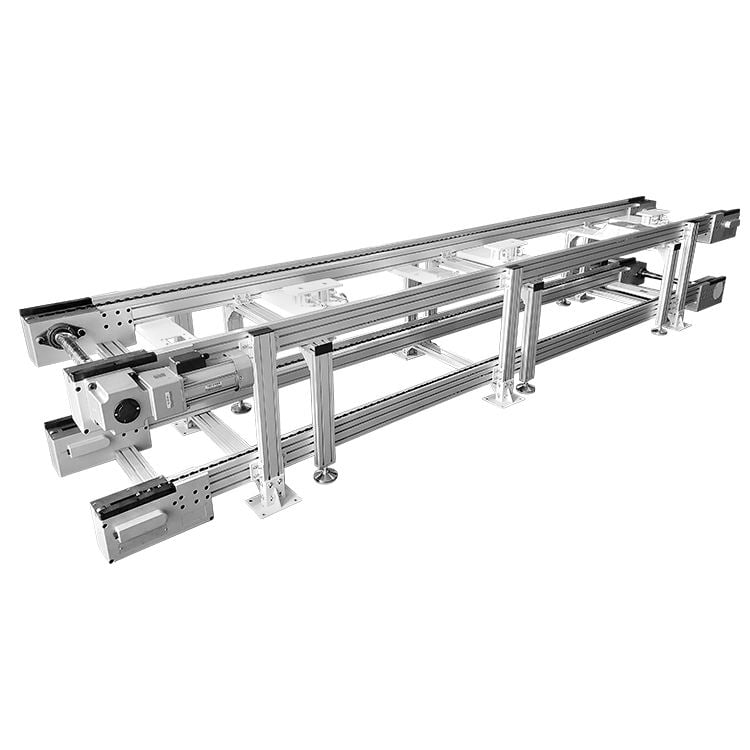
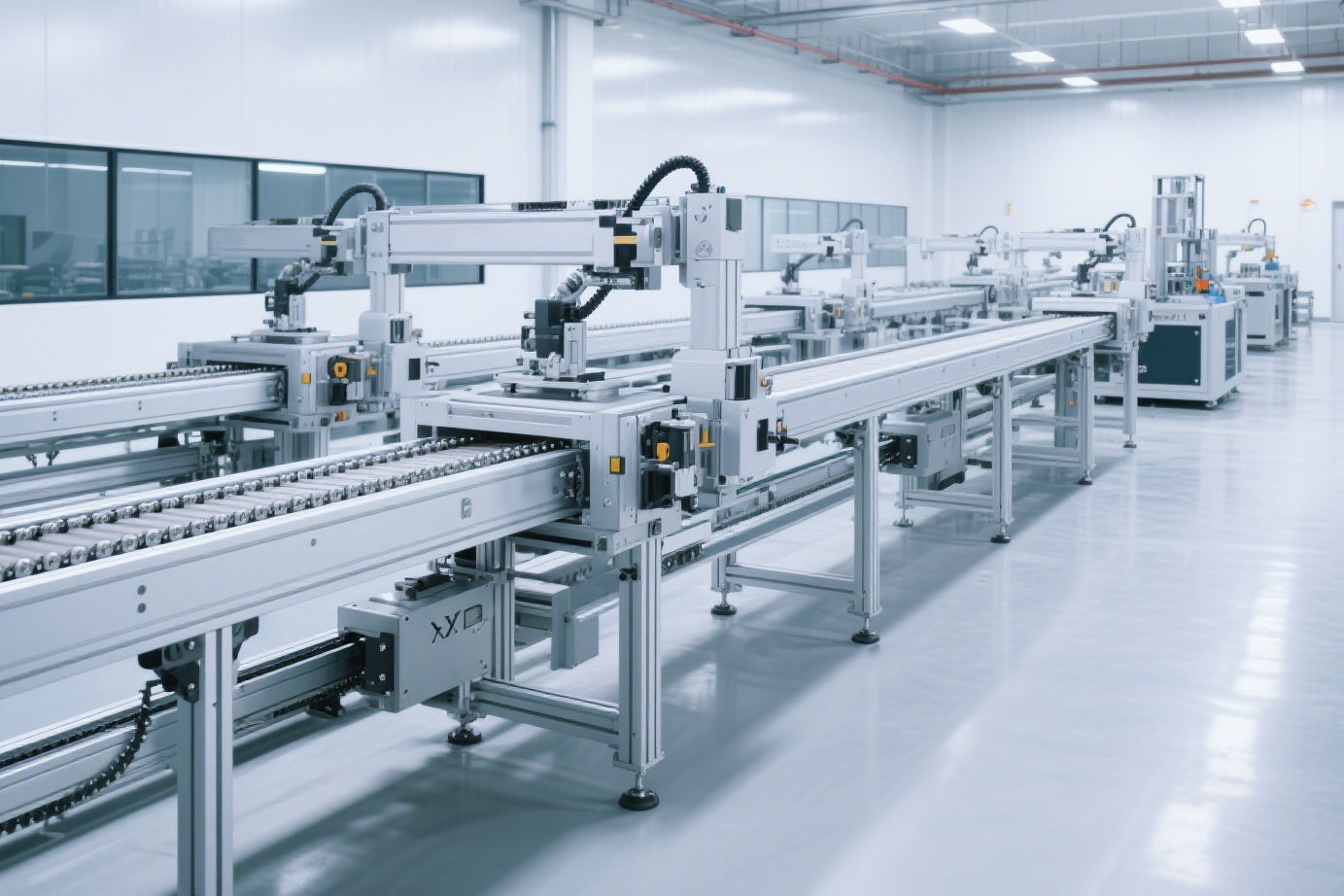
Chain conveyor belts work by linking metal chains together and running them over sprockets to move stuff around factories, warehouses, and processing areas. These aren't your regular belt systems though. They have parallel chains with powered wheels or casters built right in, which makes all the difference when moving heavy things like pallets, big machine parts, or bulk materials. The whole system forms a continuous loop that connects to drive units, allowing operators to control how fast everything moves along. This kind of setup really shines in situations where weight matters and precision counts. Think about those massive auto assembly lines or inside steel mills where tons of material need to be moved reliably day after day.
Three core elements form the foundation of chain conveyor systems:
Slat chains offer excellent positional accuracy which makes them a great choice for things like automated bottling lines and machining centers where precision matters most. The way they're built with overlapping sections helps keep debris from collecting on them, and the hardened steel stands up well against all sorts of abrasive materials that might otherwise cause wear and tear. These days many modern production systems actually combine sensors right into the slat chain setup. This allows operators to track exactly how products are positioned as they move along the line, so adjustments can happen instantly when needed during sorting tasks or assembly work.
Chain conveyor belts deliver millimeter-level accuracy in positioning parts for robotic welding and fastening tasks. Their rigid structure eliminates stretch-related drift, maintaining ±0.5 mm tolerance throughout extended production runs. In electronics assembly, this precision reduces rework rates by 18% compared to standard belt conveyors.
These conveyors seamlessly synchronize with automated guided vehicles (AGVs) and vertical lift modules, enabling efficient pallet transfers between production stages. Using cross-referencing sensors and programmable logic controllers (PLCs), facilities achieve up to 27% reduction in idle time within high-mix manufacturing environments.
A 2025 market analysis revealed that a Tier 1 automotive supplier cut chassis assembly cycle times by 22% after replacing roller conveyors with heavy-duty chain systems. The new setup reliably handled 1.2-ton payloads without sagging, reducing annual maintenance downtime by 310 hours.
Modular chain conveyor systems have seen 40% adoption growth over the past three years due to rising demand for reconfigurable production lines. Pre-engineered curves, merges, and lift modules enable rapid layout changes—supporting agile manufacturing strategies in dynamic production settings.
Chain conveyor belts really boost internal logistics when it comes to moving products around from storage through packaging all the way to shipping zones. These systems cut down on the need for people to haul stuff around manually and keep things flowing at steady rates, which matters a lot in big warehouses that cover over half a million square feet of space. The newer versions work hand in hand with warehouse management programs so they can change routes on the fly depending on what's actually needed in inventory right now. This helps prevent those annoying traffic jams that happen when everything hits its peak at once.
Heavy duty chain conveyors can handle over 3,000 pounds on each pallet, which makes them indispensable for distribution centers dealing with big stuff like appliances, car parts, and those massive beverage cases. The modular setup means these systems play nicely with other equipment too. They work great alongside tilt tray sorters and those fancy robotic arms that grab and place items. Some facilities report sorting speeds reaching around 12,000 items every single hour when everything runs smoothly. Looking at recent trends, about two thirds of all warehouse automation projects from 2020 through 2023 included chain conveyor systems. This is especially true for third party logistics companies that have to manage all sorts of different products coming through their doors day after day.
Warehouse automation is on the rise because chain conveyors can handle about 40 percent more weight compared to traditional rollers and keep running nonstop without breaking down. Many warehouses that have switched to these systems are seeing around a 22% improvement in how quickly they fulfill orders, mainly because pallets move through the facility in sync from when they arrive all the way to shipping out. The newer versions equipped with IoT technology send out warnings before maintenance becomes necessary, which has helped cut unexpected stoppages by roughly 35% in cold storage facilities where things like medications need to stay at specific temperatures. This makes sense for operations dealing with sensitive products that cannot afford interruptions.
In food processing, chain conveyors use stainless steel slat chains and FDA-compliant materials to prevent contamination. Washdown-rated designs with antimicrobial surfaces reduce bacterial growth risk by 87% compared to conventional belts (Food Safety Tech, 2023). Their modular build supports full disassembly for cleaning, helping meet hygienic standards such as EHEDG certification.
Heat-resistant slat chains maintain product alignment in ovens reaching 450°F and freezers down to -40°F. Interlocking slats minimize crumb accumulation in bakeries, while FDA-approved plastic variants resist corrosion from acidic sauces. One bottling plant reported a 40% throughput increase after switching to stainless steel chain conveyors with automated lubrication.
Pharmaceutical-grade chain conveyors feature hermetically sealed joints and IP69K-rated components to comply with ISO 13485 standards. Continuous, crevice-free surfaces prevent particulate retention—critical when transporting sterile blister packs or vaccine vials.
New 316L stainless steel alloys withstand chloride-heavy sanitizers used in seafood processing, extending belt lifespan by an average of 3.2 years (Material Science Journal, 2024). Integrated IoT sensors monitor chain tension, temperature, and wash cycles, with one manufacturer recording a 62% drop in unplanned downtime through predictive maintenance.
Chain conveyor belts really shine in environments where massive loads and long lasting operation matter most. These systems typically feature steel reinforced slats connected through sprockets that can handle scorching temps around 1200 degrees Fahrenheit (about 650 Celsius) while supporting weights over ten tons per meter. That's why they're so commonly seen working hard in places like foundries, mines, and big manufacturing setups for heavy equipment. The materials used include corrosion resistant metals along with modular construction techniques which means these conveyors keep running smoothly even when dealing with rough stuff such as hot molten slag from metal processing or raw stone coming straight out of quarries. A recent study published in 2024 on heavy duty conveyor systems showed something interesting too steel cord reinforced versions cut down maintenance expenses by roughly 37 percent compared to regular belt systems at cement production facilities across the country.
Most roller conveyors can handle around 2 tons while standard belt systems manage up to about 4 tons before showing strain. But when it comes to really heavy loads, chain driven systems are what serious industrial operations rely on. The special interlocking slats in these chains spread out the weight so the whole system doesn't sag or bend under pressure. Take automotive manufacturing as an example where chain conveyors move those massive 8 ton press molds across production lines. These systems show significantly less bending compared to regular rollers during operation. Fabric belts just aren't cut out for rough stuff since they tear easily when handling sharp objects. Chain systems tell a different story though. According to reports from several mining companies worldwide last year, these robust conveyors kept running at nearly perfect rates even when transporting jagged rocks and scrap metal through tough conditions.
One major steel plant in Asia saw a boost of around 22% in output when they swapped out their old refractory lined belts for these new heat resistant chains. Now their upgraded system moves those hot steel ingots at temperatures hitting 1800 degrees Fahrenheit, going along at about 45 feet every minute through production lines that stretch half a kilometer long. According to a recent industry forecast from 2025, we can expect to see nearly 30% expansion in the use of these specialized conveyors by the end of this decade. Why? Because chain conveyors just work better than anything else in those tough conditions where corrosion and heavy impacts would destroy most competing systems within weeks.