EN
EN

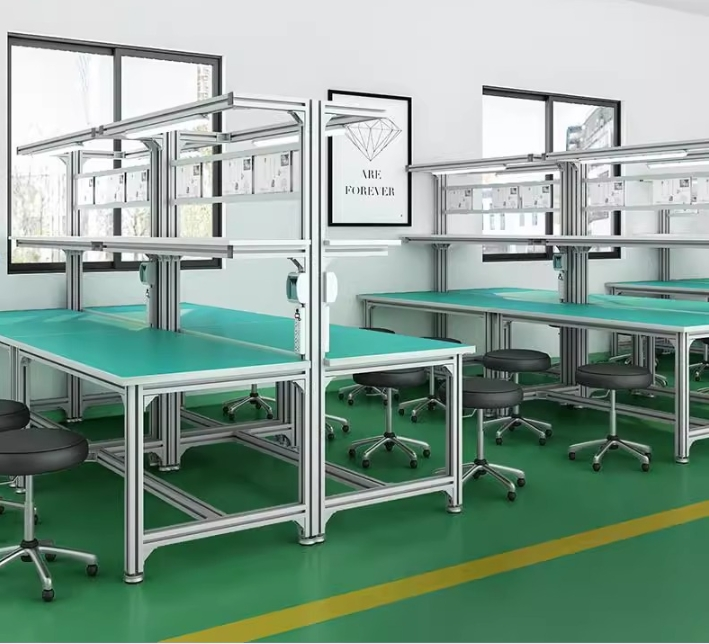
Steel Workbench Frames: Strength, Stability, and Industrial Reliability
Load-Bearing Capacity and Structural Rigidity for Heavy Machinery and Assembly Tasks
Steel workbenches have serious staying power in industrial settings, especially when built with heavy duty frames capable of handling well over 1500 kg. The reason? Steel just doesn't bend easily thanks to its strong tensile properties and solid rigidity. Think about what happens when something heavy like an engine block or CNC machine gets placed on the surface these frames hold up without complaint. The welding at joint points keeps everything stable even when workers are slamming tools around or moving big parts across the bench top. Tubular steel designs strike a good balance between being sturdy yet not too heavy, keeping surfaces flat within half a millimeter accuracy while people are working on them. That kind of stability matters a lot in places like auto repair garages, metal workshops, and factory floors where machines need to stay put and vibrations can mess up delicate operations.
Corrosion Resistance, Longevity, and Minimal Maintenance in Demanding Environments
Steel frames treated with powder coating or galvanization provide serious corrosion resistance, making them last anywhere from 3 to maybe even 5 times longer than regular untreated steel according to industry standards. The surface doesn't absorb stuff like oil leaks, chemical accidents, or just regular dampness in the air, even when humidity levels get above 60%. Wood needs constant sealing treatments, and those composite materials can break down under UV light, but powder coated steel basically takes care of itself most of the time. Recent studies looking at equipment lifespans showed something interesting too. After sitting through ten full years of daily use in auto repair shops, these coated steel frames still worked at around 98% efficiency. That kind of passive protection really cuts down on replacement costs over time, which matters a lot for places dealing with chemicals or any other harsh working conditions where reliability is critical.
Wooden Workbench Frames: Vibration Damping, Safety, and Workshop Flexibility
Superior Vibration Absorption for Hand Tool Precision and User Comfort
Workbenches made from wood are really good at soaking up vibrations, which matters a lot when working with hand tools and keeping workers comfortable. The natural fibers in wood can cut down on those annoying resonant frequencies by around 60% compared to steel benches. This means less tool chatter when doing detailed work like carving, fitting parts together, or making small adjustments. Wood's ability to absorb these vibrations also helps reduce the total amount of hand-arm vibration exposure over time. Many carpenters actually notice about 30% less physical strain after long sessions of planing or sanding on wooden surfaces. Hardwoods such as maple seem to hit just the right spot between being able to absorb shocks and still holding their shape structurally. There's something about the slight flexibility in wood that protects not only what we're working on but also our cutting tools themselves. That makes wooden frames particularly useful in workshops focused on woodworking and places where precise assembly happens regularly, since the feel of the material under our hands and the quality of finished surfaces become so important in these environments.
Electrical Insulation and Non-Marring Surface Benefits in Sensitive Workspaces
Wood works great as an electrical insulator, which is why so many people working with circuits and power tools prefer it around exposed wiring. Since wood doesn't conduct electricity, there's less risk of shocks or short circuits happening accidentally. That's why most electronics workshops and repair shops still rely on wooden workbenches. The material also protects sensitive parts in ways plastic just can't match. No worries about scratching those shiny metal components or damaging carefully assembled boards. Even when someone drops a heavy tool on the bench, the wood absorbs the impact without leaving dents. This makes all the difference for projects ranging from tiny microchips to restoring old musical instruments. Anyone who needs both electrical safety and surface protection knows that good quality wooden frames simply work better than alternatives in these critical situations.
Hybrid Workbench Frames: Optimizing Steel Support with Wooden Top Functionality
How Steel Frames Enhance Durability While Preserving Wood’s Working Surface Advantages
Workbenches that mix steel and wood bring together what each material does well. The steel frame underneath gives real strength and stays stable even after years of use, whereas the wooden surface keeps those important features needed for careful work around the shop. Steel frames can hold quite a bit of weight, usually well past 450kg or 1000 pounds, and they don't bend easily when heavy machines are placed on them. When coated properly with powder coating, these frames stand up pretty well against rust and chemical damage in damp environments too. The wooden part actually soaks up some of the vibrations from delicate jobs like putting together electronic components or doing intricate woodwork, which makes working at the bench feel less tiring for people who spend hours there. These benches maintain their insulating qualities and won't scratch delicate parts either, all while still being able to carry heavy loads for extended periods. They work especially well in shops where different kinds of work happen side by side, think about places that do both car repairs and metal fabrication, where having a solid base is just as important as protecting sensitive components from getting damaged.
| Feature | Steel Frame Contribution | Wood Top Advantage |
|---|---|---|
| Durability | Corrosion resistance, 10k+ lb load capacity | Scratch resistance, impact absorption |
| Functionality | Rigid support for heavy tools | Vibration damping for precision work |
| Safety | Fire-resistant structure | Non-conductive surface |
Selecting Workbench Frames by Application: Matching Material to Operational Requirements
The choice of workbench frame really comes down to matching materials with what the job actually requires. Heavy duty industries such as auto repair shops, metal stamping operations, and big assembly plants need steel frames because they can hold massive weights - some certified ones handle over 1200 kilograms! These steel frames also stand up better against harsh conditions including moisture and chemicals thanks to treatments like powder coating or galvanization. Woodworkers and those doing detailed finishing work get much better results with solid hardwood frames though. The wood naturally absorbs vibrations which cuts down on hand tool fatigue by around 40% when someone spends hours carving or sanding surfaces. Electronic workshops prefer wooden benches since the surface doesn't conduct electricity, preventing accidental short circuits. Assembly lines working with finished products appreciate how wood won't scratch delicate components either. A good compromise exists too: combining a sturdy steel base with a wooden tabletop gives about 500kg support capability while still keeping those vibration dampening qualities and maintaining electrical safety in places where different tasks happen throughout the day.
| Application | Recommended Frame | Key Performance Advantage |
|---|---|---|
| Heavy machinery assembly | Steel | 1,200+ kg static load capacity |
| Precision woodworking | Solid hardwood | Up to 70% vibration reduction |
| Electronics repair | Wood with resin finish | Verified electrical insulation |
| Multi-discipline spaces | Steel/wood hybrid | Balanced durability & shock absorption |
The right workspace setup really depends on what's happening there day to day. Stainless steel makes sense in areas with big temperature changes or where harsh chemicals are used regularly. Wood tables still work best when dealing with delicate electronics or surfaces that need special care. Using the wrong material mix actually wears workers out faster, some studies suggest around 30% more fatigue over time. Ergonomic experts have looked into this stuff too, which explains why picking the correct table frames isn't just about looks. Getting it right helps keep people productive throughout their shifts, reduces accident risks, and ultimately saves money on equipment damage down the road.
Table of Contents
- Steel Workbench Frames: Strength, Stability, and Industrial Reliability
- Wooden Workbench Frames: Vibration Damping, Safety, and Workshop Flexibility
- Hybrid Workbench Frames: Optimizing Steel Support with Wooden Top Functionality
- Selecting Workbench Frames by Application: Matching Material to Operational Requirements