EN
EN

Engineering Fundamentals of Aluminum Extrusion Tube Profiles
How Alloy Choice (6061, 6063, 6082) Shapes Strength, Corrosion Resistance, and Extrusion Feasibility
Choosing the right aluminum alloy really determines how well extruded tubes will perform overall. Take 6063 for example. This one gets used a lot in buildings because it resists corrosion pretty well and has good surface quality even though it's not super strong. That makes it work great outside where it might get rained on or exposed to harsh weather conditions. Then there's 6061 which is stronger stuff altogether. When tempered properly (T6), it can handle tensile forces around 45,000 psi, so it becomes suitable for heavier structural work. The 6082 alloy shows up frequently in European specs since engineers there value its balanced approach to being both workable when extruding and still maintaining decent strength plus good welding characteristics. This matters especially for parts that need to support weight in automated machinery systems. Why do these differences exist? Mainly because of how much magnesium and silicon goes into each alloy mix. The 6061 version actually contains more silicon than 6063 does, which raises extrusion pressures somewhere between 15 to 20 percent higher. This impacts things like tool wear rates, power requirements, and how consistent dimensions stay throughout large production runs.
Wall Thickness and Cross-Sectional Geometry: Direct Drivers of Rigidity, Load Capacity, and Bending Stiffness
The geometry of parts plays a huge role in turning raw materials into actual performance on the shop floor. When it comes to wall thickness, even small changes make a big difference. Going from 1.5 mm to 2.0 mm walls typically boosts compressive strength around 40%, which matters a lot in structural applications. But wall thickness alone isn't everything. The cross section shape determines how that strength gets distributed throughout the component. Square tubing offers good all-around torsion resistance, about 25% better than round tubing of similar weight. Rectangular sections take this further. When positioned vertically with the long side facing up, they can handle bending forces up to three times what square sections manage because of their increased moment of inertia. Smart design lets engineers hit those tight deflection specs while using less aluminum overall. This cuts both material costs and finished product weight without compromising structural integrity. For high speed automation equipment where vibration control and precise positioning are essential, these geometric advantages become absolutely crucial in meeting demanding operational requirements.
| Profile Shape | Optimal Wall Thickness | Relative Stiffness | Load Efficiency |
|---|---|---|---|
| Square | 1.5–3.0 mm | Baseline | Moderate |
| Rectangular | 1.2–2.5 mm | 2.8x (vertical) | High |
| Round | 2.0–4.0 mm | 0.7x | Low |
Standardized Aluminum Extrusion Tube Profiles: Series, Dimensions, and Tolerance Frameworks
Modular Series Explained (20/30/40/45/60): Slot Widths, ISO/DIN vs. Metric Compatibility, and Interchangeability
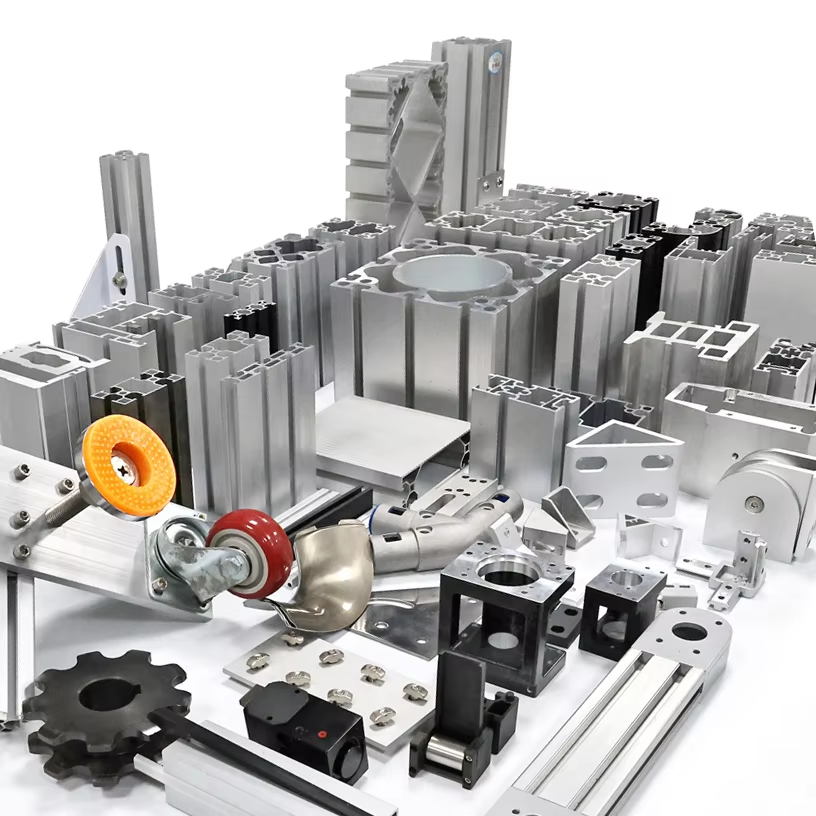
The modular series including 20, 30, 40, 45, and 60 help standardize structural aluminum extrusions based on slot width, profile size, and how they mount together. The slot width determines what kind of fasteners work best. Profiles in the 20 series take M4 hardware, while the 30 series works with M6 fasteners. The bigger 60 series can handle M12 bolts plus heavier accessories. When profiles follow ISO or DIN standards, they meet globally accepted dimensions and tolerances like those specified in ISO 2768 for general tolerances. This makes them interchangeable across different parts of the world and compatible with various automation systems. There are also metric options available that function similarly but don't have official certification. These are handy for prototypes or when safety isn't the main concern. Take the 30 series for example it has 8 mm slots that fit nicely with DIN rail systems as well as North American linear motion mounts. Certified profiles maintain angular alignment within about +/- 0.2 mm, which ensures good mating between components and keeps assemblies stable over time.
Profile Shape Trade-offs: Round, Square, and Rectangular Tubes – Dimensional Ranges, Wall Thickness (0.8–6.0 mm), and Structural Efficiency
What a tube profile does in practice dictates what shape works best for it. Round tubes ranging from about 10 to 250 mm diameter offer good torsion resistance all around, though they often need special brackets or flanges when mounted firmly. Square cross-sections between roughly 10 to 150 mm on each side behave predictably when loaded from multiple directions, which makes them great choices for frames and modular boxes. Rectangular shapes from approximately 20 by 10 mm up to 200 by 100 mm give superior bending strength in one direction because their material is positioned strategically away from where stress concentrates. These can be up to 40% stiffer relative to their weight compared to similar sized square tubes. Wall thickness options go from thin at 0.8 mm up to thick at 6 mm. Lighter gauge walls cut down on weight and expenses for things that don't move much. Heavier walls handle moving parts better, absorb vibrations, and last longer under repeated stress. Every officially certified profile meets ANSI H35.1 standards for dimensions, allowing plus or minus 0.1 mm accuracy per mm measured, so everything fits together properly and functions consistently across different systems.
Targeted Industrial Applications of Aluminum Extrusion Tube Profiles
Light Automation & Lean Manufacturing: Optimizing 20/30-Series Frames for Speed, Modularity, and Cost-Efficiency
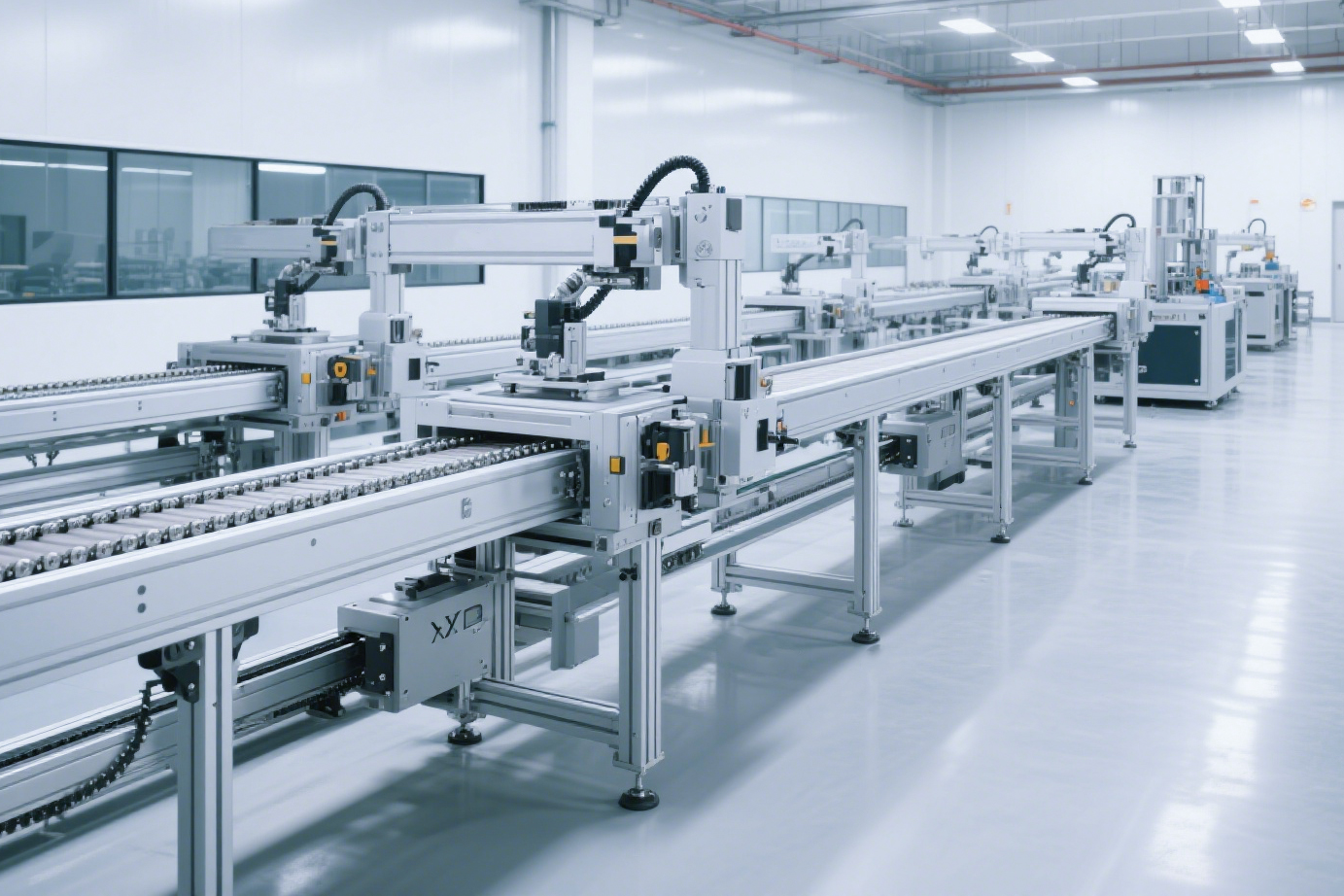
When it comes to lean manufacturing setups where product variety changes frequently, fast setup times and easy reconfiguration matter a lot. Aluminum extrusions from the 20 and 30 series address these needs pretty well. They come with those standard 6 to 8 mm T-slots we all know, fit ISO standards, and still manage to stay light yet sturdy enough for most applications. Putting together conveyor belts, mounting sensors, or building ergo-friendly workstations takes way less time compared to welding steel parts together. Some shops report cutting their changeover downtime by around 40%, though results can vary depending on specific shop conditions. These aluminum profiles handle moving weights of about 150 kg per meter without warping much when temperatures fluctuate something that matters a ton for machines relying on precise positioning through camera guidance systems. Plus, snap-on connectors and ready made accessories mean prototypes get built faster. Instead of waiting days for adjustments, manufacturers often see Kaizen style improvements happen overnight, which keeps operations running smoother day after day across multiple production lines.
Heavy-Duty Robotics and Machinery: Leveraging 45/60-Series Profiles for High Load, Vibration Damping, and Long-Term Stability
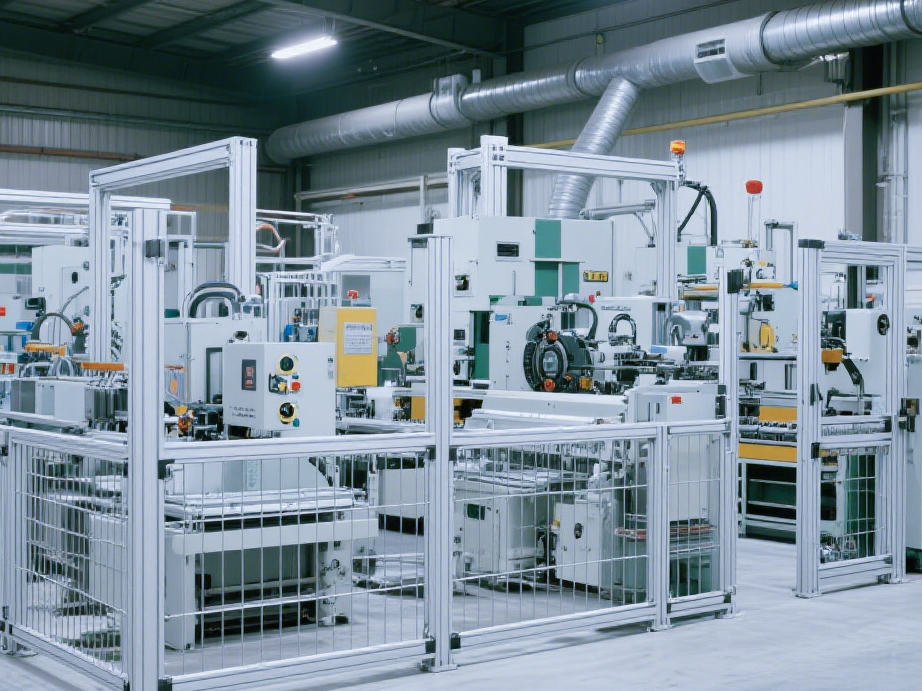
For applications involving robotic cells, CNC machine guards, or big material handling systems, there's a real need for strong torsional rigidity and good resistance to fatigue over time. The 45 and 60 series profiles are commonly made from 6082-T6 alloy with walls that can be as thick as 6mm. These profiles provide torsional stiffness that goes beyond 300 Nm per degree. What makes them stand out is their reinforced corners and those deeper T-slots which can handle heavy duty components like actuators, linear rails, and all sorts of cabling without bending when subjected to repeated loads. One thing worth noting about 6082-T6 aluminum is how well it dampens vibrations compared to regular structural steel. Tests show it cuts down on harmonic vibrations by around 25%, which means less resonance issues at the base of robotic arms and better precision at the end effectors. Getting maintenance done isn't a problem either since hydraulic manifolds, pneumatic valves, and cable management solutions fit neatly inside the profile's cavities and slots, making everything much easier to access and service.
Specialized Use Cases: Enclosures, Cleanrooms, and ESD-Sensitive Environments
Aluminum extrusion tubes work really well in those super important controlled environments like enclosures, cleanrooms rated by ISO standards, and places where static electricity is a big concern. The reason? They conduct electricity naturally, have surfaces that don't let stuff through, and stay dimensionally accurate over time. Ground them properly and they'll dissipate static charges effectively, which stops buildup that might fry sensitive electronics during things like chip making or putting together medical devices. When we apply anodizing to these surfaces, it makes them much more resistant to rust and also stops particles from coming off, something that matters a lot in pharmaceutical labs and cleanrooms used for spacecraft parts. Frames made from extruded aluminum can actually act like Faraday cages if we connect them with conductive gaskets and pair them with ionizers. Getting tight tolerances around +/- 0.1mm means the gaskets compress consistently and keep those pressure seals intact, which is absolutely critical in sterile settings where even tiny air leaks can ruin everything. That's why so many industries rely on aluminum extrusions when they need structures that won't fail, stay clean, and protect against static discharge.