EN
EN

Core Material Properties of Industrial Aluminum Profiles
Lightweight Strength and High Strength-to-Weight Ratio
Industrial aluminum profiles combine low density (2.7 g/cm³) with high tensile strength—delivering structural efficiency unmatched by heavier metals. Specialized alloys like 6061-T6 and 7075-T6 achieve a strength-to-weight ratio 40–60% greater than structural steel, enabling lighter frameworks without compromising load capacity. Performance depends critically on alloy composition and temper:
| Alloy Series | Key Elements | Tensile Strength (MPa) | Common Applications |
|---|---|---|---|
| 1000 | 99%+ Al | 70–110 | Decorative trims |
| 6000 | Mg + Si | 150–310 | Structural frames |
| 7000 | Zn + Mg | 350–600 | Aerospace components |
When magnesium combines with silicon, it creates Mg2Si precipitates that get in the way of dislocations moving through the material. Meanwhile, the presence of zinc in those 7000 series alloys allows for precipitation hardening which gives these metals their maximum strength potential. Standard 4040 type profiles can actually handle around three times more stress per unit mass compared to similar steel sections. This makes them absolutely essential for applications where every gram counts, such as electric vehicle battery trays or the delicate arms on drones that need both strength and lightness.
Corrosion Resistance, Thermal/Electrical Conductivity, and Full Recyclability
Aluminum forms its own protective oxide layer naturally over time, which can repair itself when damaged. This means no extra coatings are needed in most humid conditions or places with mild chemicals around. The same oxide film also helps with heat transfer (about 200 W/m K) and electricity flow (around 35 to 38% IACS). Because of these properties, aluminum makes great material for things like heat sinks, support structures for electrical buses, and even parts of electric vehicle charging stations. From an environmental standpoint, aluminum stands out because roughly 95% of it can be recycled without losing strength or other important characteristics. When we melt down old aluminum instead of making new from raw materials, it takes only about 5% of the energy normally required. Recent studies show that switching from brand new to recycled aluminum in manufacturing cuts emissions by nearly three quarters. And lighter vehicles made with aluminum save about 8 tons of CO2 each year per car on average across entire fleets.
Primary Industrial Applications of Aluminum Profiles
Industrial aluminum profiles deliver transformative performance across sectors by combining lightweight durability, design flexibility, and functional versatility—enabling solutions where traditional materials fall short.
Automotive, EV Battery Structures, and Aerospace Frameworks
Using aluminum profiles cuts down the weight of car bodies by around 40 to maybe even 50 percent compared to steel, yet still keeps them safe in crashes. This makes cars burn less fuel and helps electric vehicles go further between charges. For electric cars specifically, aluminum enclosures made through extrusion techniques absorb impacts, manage heat effectively, and give solid support to those sensitive lithium ion battery packs. Looking at aerospace, engineers love how strong aluminum is relative to its weight. Special frameworks built from this metal hold up airplane cabins and parts inside satellites. These components weigh about 60% less than traditional materials but can still handle all the same stresses. They maintain full payload capabilities even when subjected to intense vibrations equivalent to 15 G forces during flight operations.
Factory Automation: Conveyor Systems, Machinery Frames, and Modular Workstations
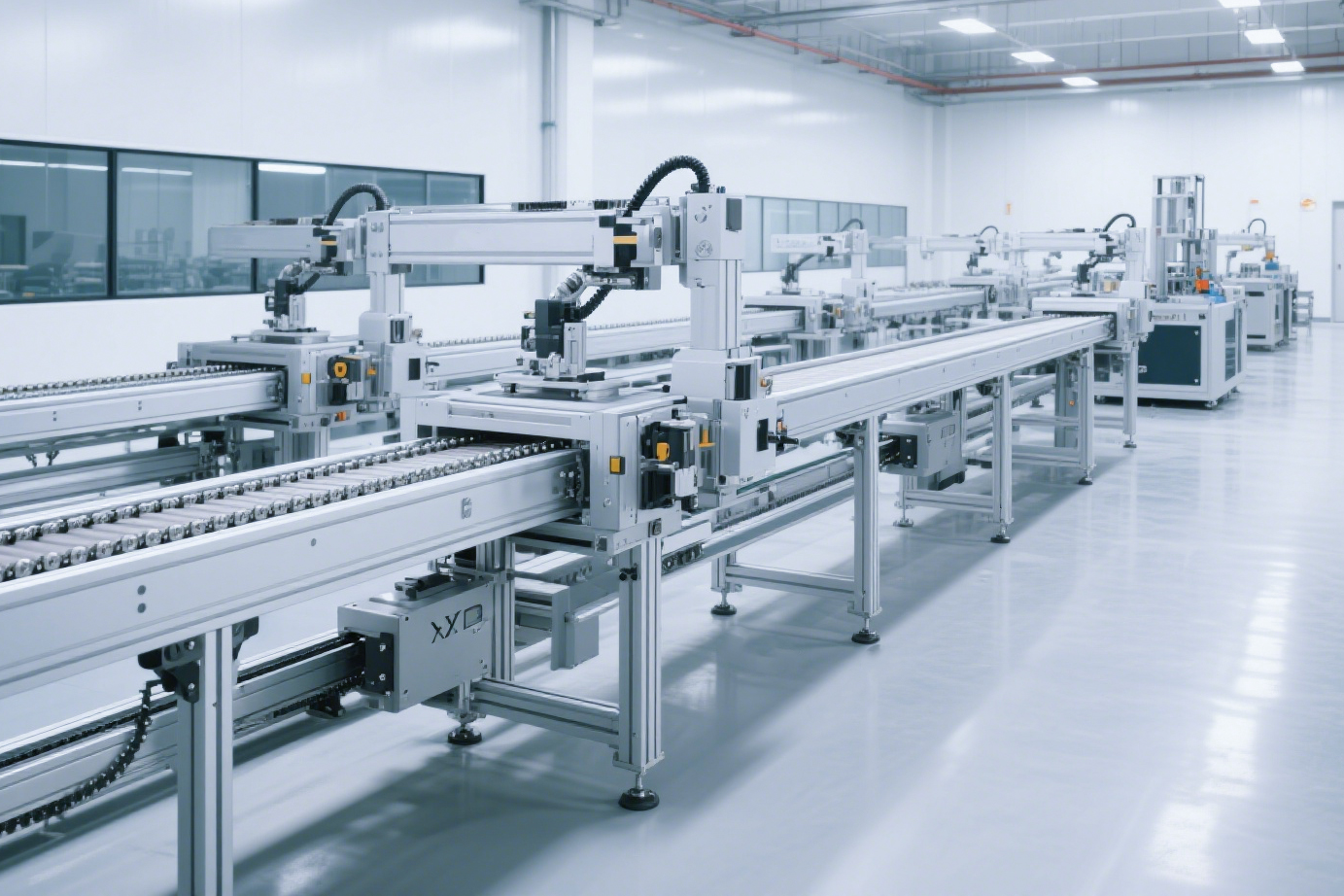
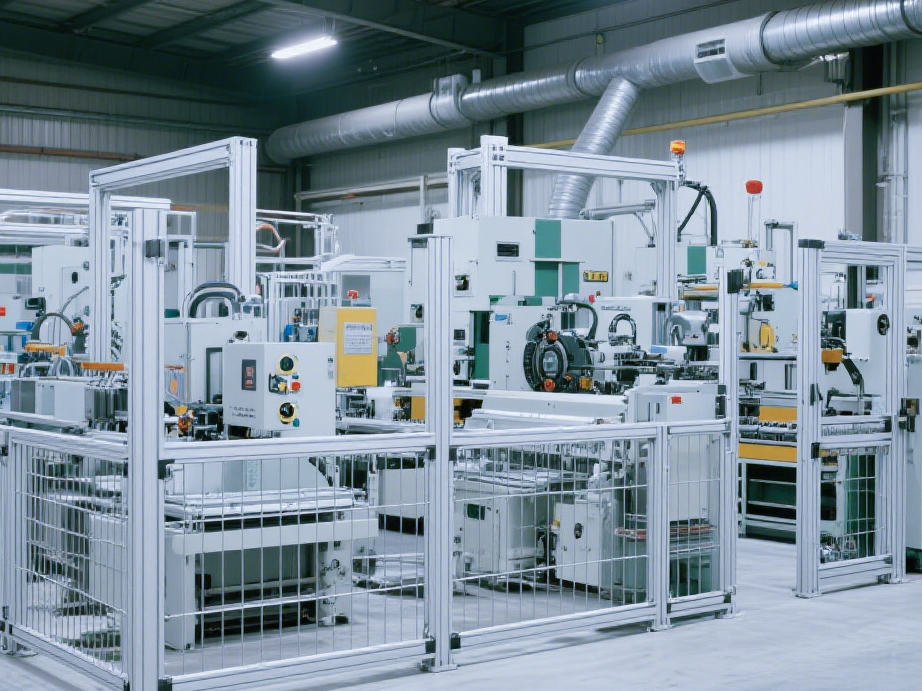
Aluminum extrusion systems form the foundation for flexible automation setups in fast-paced manufacturing environments. The conveyor tracks made from corrosion resistant materials keep their shape and alignment even after thousands of operating hours. When it comes to T-slot machinery frames, they really shine during production line adjustments since they cut down on downtime significantly compared to traditional welded options. Some factories report savings between 30 to 50 percent in lost time when switching production runs. Modular workstations bring together electrical conduits, surfaces that prevent static buildup, and quick connect mounts which makes workers' lives easier and speeds up transitions from one product setup to another. What this means practically is that plants can respond faster to changing demand patterns while maintaining quality standards across different production volumes.
| Application Area | Key Aluminum Profile Benefits | Operational Impact |
|---|---|---|
| EV Battery Trays | Thermal conductivity + crash absorption | Extends battery lifecycle by 20–25% |
| Aerospace Framing | High strength-to-weight ratio | Reduces fuel consumption by 5–8% |
| Modular Workstations | Tool-less reconfiguration + ESD protection | Cuts changeover time by 40–60 minutes |
Across manufacturing, the adoption of aluminum profiles reflects their proven balance of long-term durability, functional integration, and sustainable design—supported by service lifecycles exceeding 20 years.
Specialized Functional Uses Enabled by Profile Design
Industrial aluminum profiles go beyond passive structure—they are engineered platforms that embed functionality directly into the extrusion geometry.
Thermal Management: Heat Sinks and HVAC Integration
The thermal conductivity of aluminum, around 235 W/m·K, makes it a go to material for managing heat actively. When we talk about heat sinks, extrusion profiles really shine because they create those optimal surface area to volume ratios. Think fins, pin fins, or even micro channels – these shapes help get rid of heat effectively from things like power electronics and LED lighting setups. For HVAC applications, manufacturers often turn to custom made aluminum ductwork and framework components. These parts handle pretty harsh temperature swings between minus 40 degrees Celsius all the way up to 150 degrees without breaking down, plus they stand up against corrosion caused by condensation issues. Tests done by third parties show that switching to aluminum based heat exchangers can boost HVAC efficiency somewhere between 15% and 20% compared to similar systems made with steel, mainly because aluminum transfers heat so much better.
Electrical Safety and Durability: Enclosures, Rail Tracks, and Busbar Supports
The stable, non-conductive aluminum oxide layer enables safe deployment in electrically sensitive environments. Profile-integrated features support:
- EMI-shielded equipment enclosures
- Precision-machined conductive rail tracks for AGVs and linear motion systems
- Reinforced busbar supports designed to minimize arc flash risk and thermal expansion mismatch
These systems retain structural integrity under continuous vibration, impact, and exposure to harsh industrial conditions—including chemical processing plants. Their lightweight nature also simplifies overhead installation, reducing labor and hardware costs by up to 30%.
How to Select the Right Industrial Aluminum Profiles
Selecting optimal industrial aluminum profiles requires a systematic evaluation of application demands, material behavior, and supply chain reliability.
Start with figuring out what technical specs matter most. Look at both static and dynamic loads first, then consider how the material will handle different environments like humidity levels, UV exposure, chemical contact, and how precise the dimensions need to be. When selecting materials, the 6000 series alloys such as 6061-T6 and 6063-T5 generally work well because they strike a good balance between strength properties, ability to be welded, and resistance to corrosion in most structural situations. The 7000 series materials are typically only used when there's really extreme stress involved, mostly found in aerospace components or military equipment applications. Always double check if the mechanical specs actually match what happens in practice. Take 6061-T6 as an example it should have at least 240 megapascals of tensile strength and around 215 MPa minimum yield strength when used for important framing structures.
When it comes to surface treatments, pick what works best for the job at hand. Anodizing in either Type II or III form really stands out when dealing with parts that will face harsh weather conditions or rough handling outdoors. Powder coating is another solid choice, especially if the application requires good looks over time since it holds colors better and fights off sun damage pretty well too. Now about finding the right supplier - this part matters a lot. Look for companies that have proper ISO 9001 certification showing they take quality seriously. Check if they can provide documentation on materials used like ASTM B221 specs. Also important is how accurate their measurements are; most precision profiles need around plus or minus 0.1 mm tolerance. Don't forget about whether they can handle big orders consistently without delays, plus make sure they actually know what they're doing technically when problems arise during production runs.