EN
EN

Aluminum Slot Profile Types and Structural Functionality
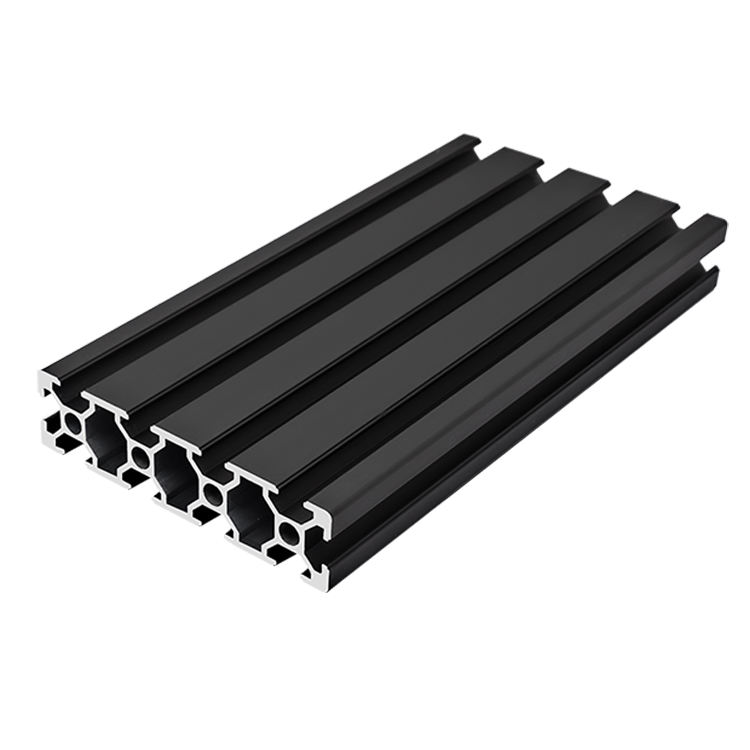
T-Slot Profiles: The Industry Standard for Modular Machinery Assembly
T-slot aluminum profiles have become the go to option for building modular machinery frames because they offer incredible flexibility and can be assembled without tools. What makes them special is that T-shaped groove which holds standard nuts and bolts so tight that everything from machine bases to safety guards and workstations just snap into place. The real value comes when factories need to change production lines quickly. In industries where product mixes constantly shift, this kind of adaptability saves tons of time and money. According to recent industry data (Industry Survey 2023), around 8 out of 10 modular systems rely on these profiles. Most manufacturers stick to either 6mm or 8mm slot widths, which means parts from different companies actually work together seamlessly across brackets, sensors, actuators and all sorts of moving components. Factory managers report cutting down prototype development by weeks and seeing assembly speeds jump by about 30% compared to traditional welded steel setups.
V-Slot, B-Type, and I-Type Profiles: Specialized Roles in Motion Systems and Load-Bearing Frames
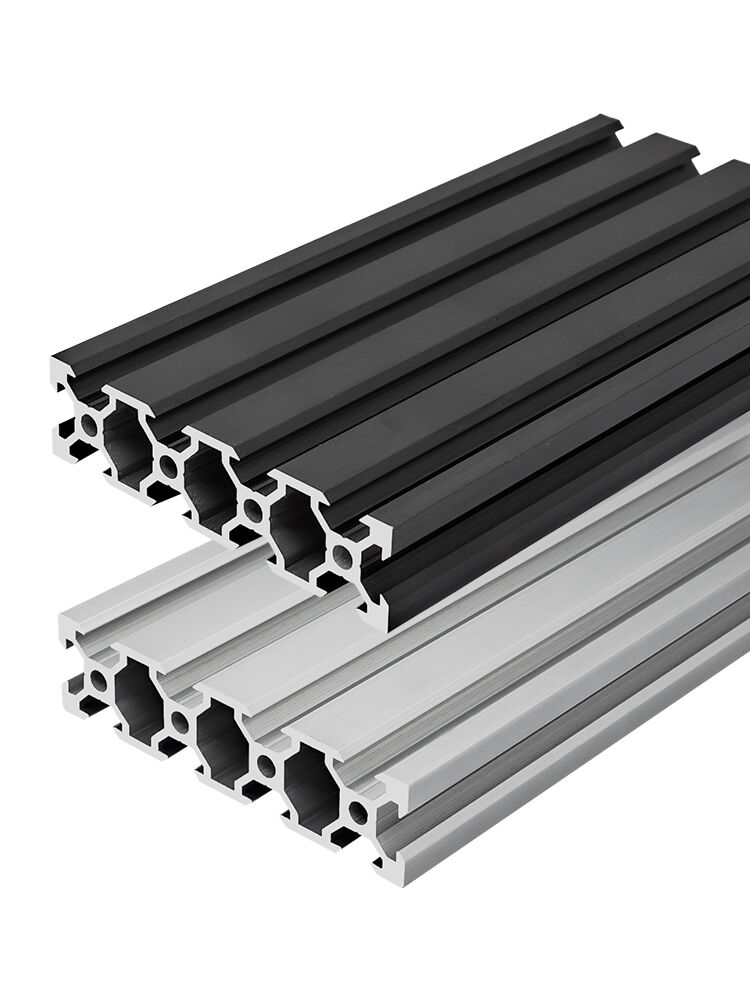
T-slots are great for general use but when specific mechanical needs come into play, specialized profiles really shine. Take V-slot extrusions for instance these have built-in rail mounts right in the groove shape which cuts down on those pesky alignment shims everyone hates. Setup becomes much faster for things like conveyor belts or gantry systems where every minute counts. Then there's the B-type profiles with their beefed up corners and thicker walls. These bad boys can handle serious weight loads making them perfect for structural columns in factories or palletizing frames that need to support around 800 kg per meter. The I-beam or I-type profiles offer something different altogether they balance strength and weight so well that they deflect about 40% less under movement compared to other options. That makes them popular among engineers working on robotic arms or cantilevered structures where stability matters most. All these profile types work seamlessly with standard ISO linear guides and bearings too, meaning manufacturers don't need to spend extra time on custom machining for precise installations.
Dimensional Standards and Slot Geometry for Mechanical Integration
Series Classifications: Matching 20-Series to 90×90 mm Heavy-Duty Profiles with Application Requirements
Aluminum slot profiles come in different standardized series based on their outer dimensions, and these dimensions determine how much weight they can handle, how rigid they are, and what kinds of jobs they're good for. The smaller 20x20 mm (known as the 20-Series) works well for things that don't need much strength, like mounting sensors or making simple jigs for light work. Then there's the mid-sized 45x45 mm profiles which can take on heavier stuff like industrial tools and conveyor belts that carry moderate loads. For really tough applications, the big 90x90 mm extrusions offer amazing resistance to twisting forces and can withstand bending moments over 15 kN/m without failing. When picking the right size series, companies save money because they aren't buying stronger materials than needed. Studies show this approach typically reduces material costs between 18% and 22%. But it's not just about static weight limits either. Good engineers also consider real world conditions like how often something vibrates, temperature changes during operation, and sudden accelerations that might stress the system unexpectedly.
Groove Dimensions and Thread Compatibility: Why 5 mm, 6 mm, and 8 mm Slots Dictate Fastener Choice
The size of the slot determines what kind of fastener works best in aluminum extrusion systems, which directly affects how strong and reliable the whole structure remains. A 5mm groove fits M5 hardware typically found in precision instruments where not much force is needed. Most people go with the 6mm slot since it takes M6 bolts, these are pretty much standard across conveyor systems and general automation setups. When dealing with heavy duty applications like press frames or robot bases, an 8mm groove handles the bigger M8 fasteners required to keep everything tight even when subjected to constant stress. Mixing up the hardware sizes can cause major problems down the road. Clamping power might fall off by around 40% in some cases, threads start wearing out faster, and parts tend to come loose from vibrations over time. Stick to matching slot widths with their proper metric fasteners if wanting joints that stay intact and systems that last through years of operation without constant maintenance headaches.
Key Machinery Applications of Aluminum Slot Profile
Machine Frames and Workstations: Leveraging Modularity, Rigidity, and Tool-Less Reconfiguration
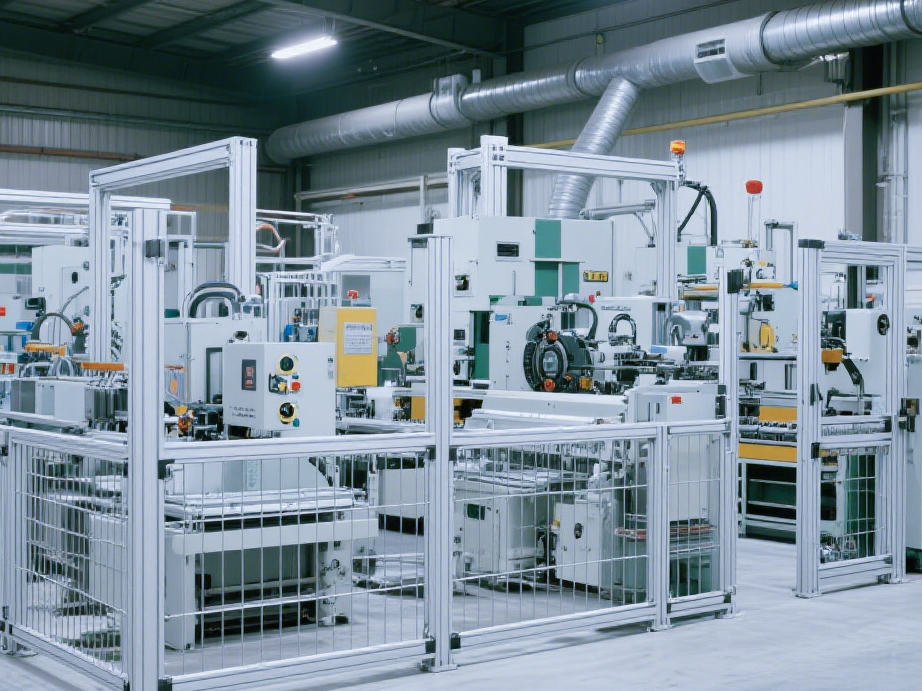
Aluminum slot profiles have become the go to structural component for building modern machine frames and operator stations because they strike just the right balance between being strong yet lightweight and easy to modify later on. What really sets them apart is this built in slot system that lets workers mount all sorts of equipment like control panels, safety barriers, lights, and pneumatic components without needing any tools at all. No more welding, drilling holes, or doing extra finishing work which saves time and money. Some industrial engineers have looked into this stuff and found out that when factories need to rearrange their setups, these aluminum systems cut down on lost production time by around three quarters. The special corner connectors are precision machined so everything stays aligned properly even when supporting weights over 500 kilograms per meter. Another big plus is how aluminum naturally resists corrosion, making it the best choice for places like chemical processing plants, pharmaceutical labs, and food manufacturing areas where other metals like stainless steel or painted steel would eventually break down or need expensive upkeep.
Automation Infrastructure: Linear Motion Bases, CNC Guarding, and Robotic Mounting Platforms
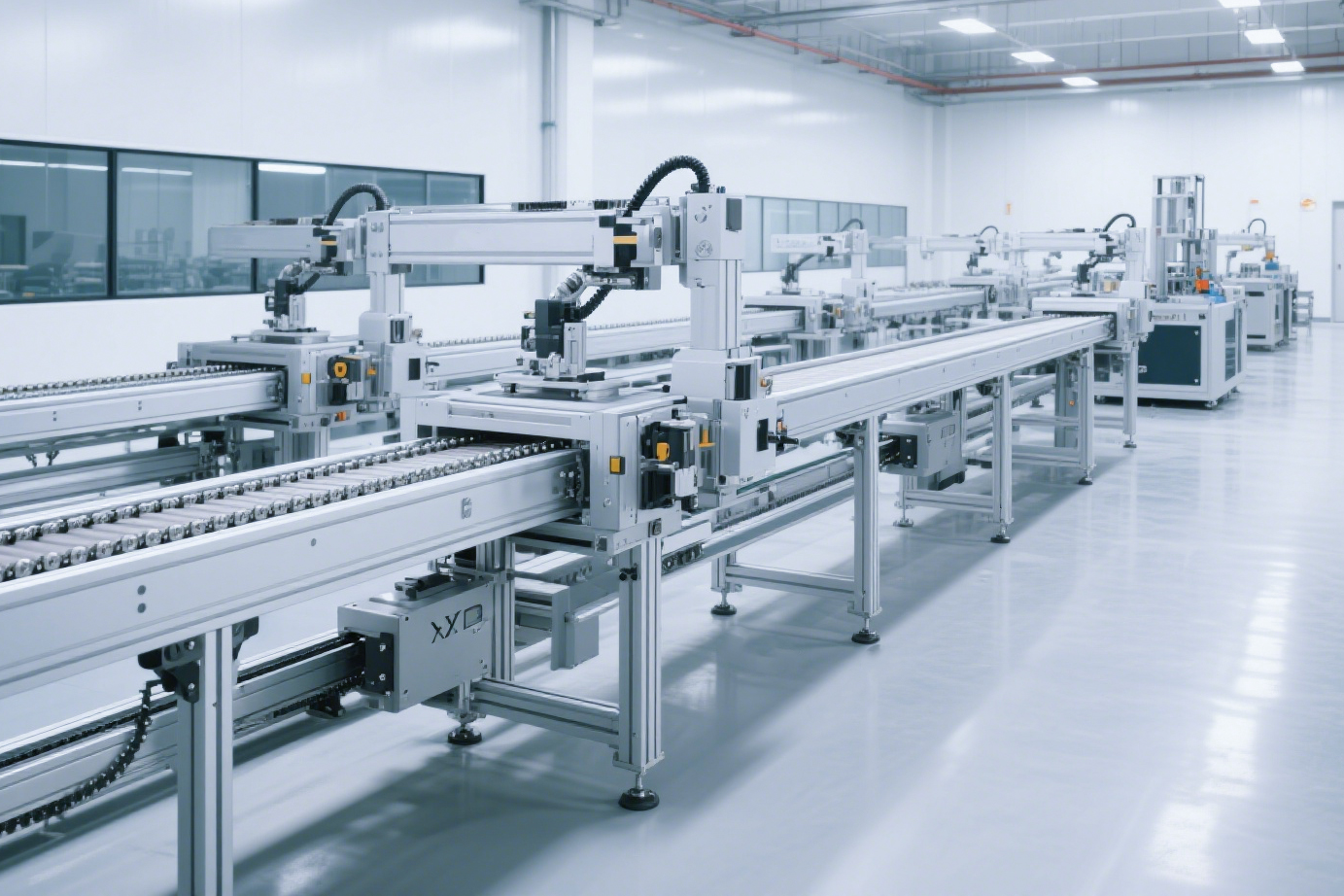
Aluminum slot profiles play a key role in automated systems as they offer precise alignment bases and structural support that dampen vibrations. The milled grooves along these profiles create mounting surfaces that stay consistent over time, which is essential when installing things like linear guides, timing belts, and those motor driven actuators used in conveyor transfers and pick-and-place operations. What makes them so useful is the standardized geometry of the slots, allowing components from different manufacturers such as pneumatic cylinders, limit switches, and vision sensors to fit together without issues. When it comes to CNC machines, guards made from these aluminum profiles can be adjusted quickly around new spindle paths within half an hour or less, no need for any cutting or welding involved. Another big plus for robotic work cells is how aluminum naturally absorbs vibrations while also being non-sparking, which satisfies safety standards like ATEX and IECEx in areas where regular steel frames could actually start fires.