EN
EN

What Is Robot Linear Motion? Core Principles and Defining Characteristics
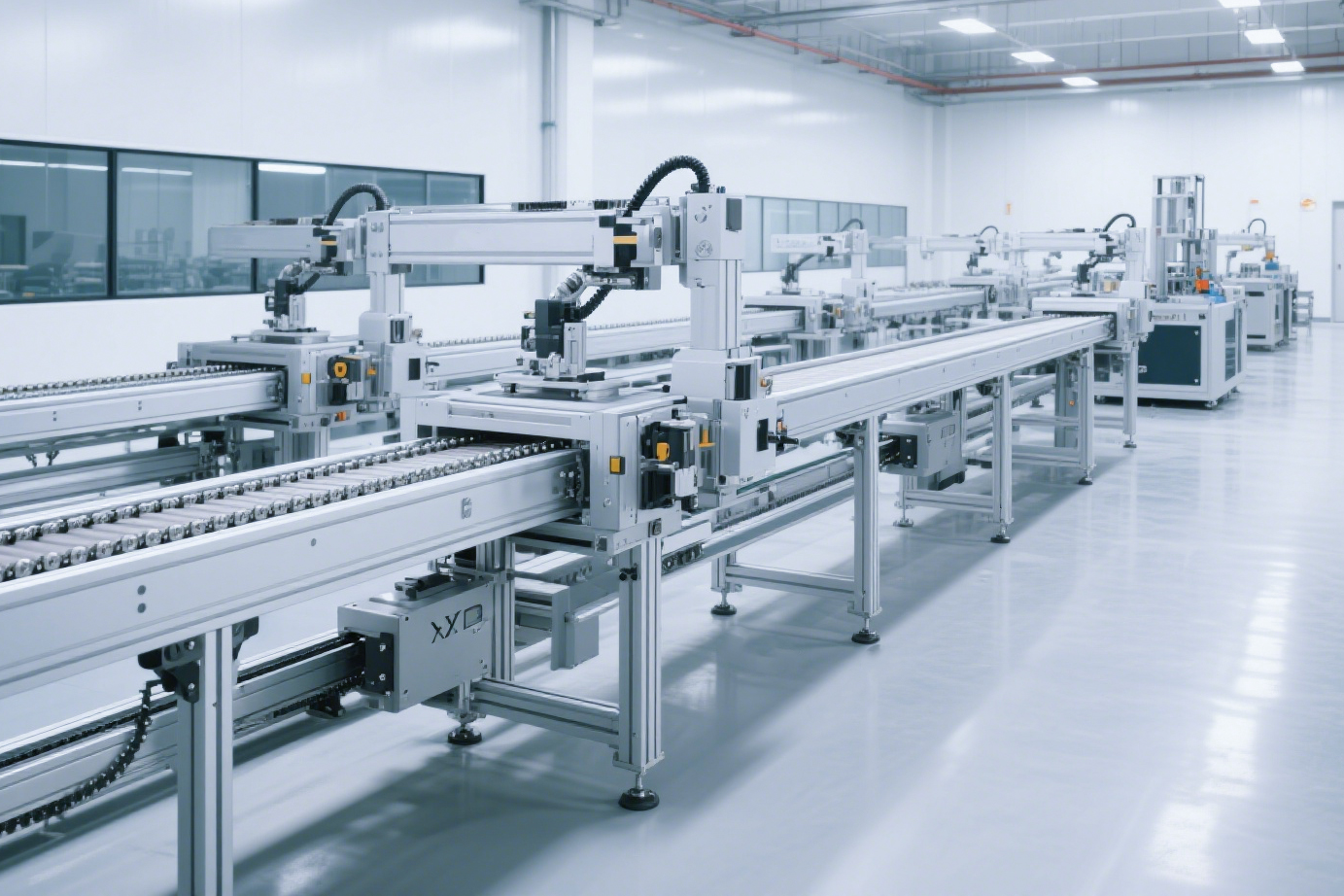
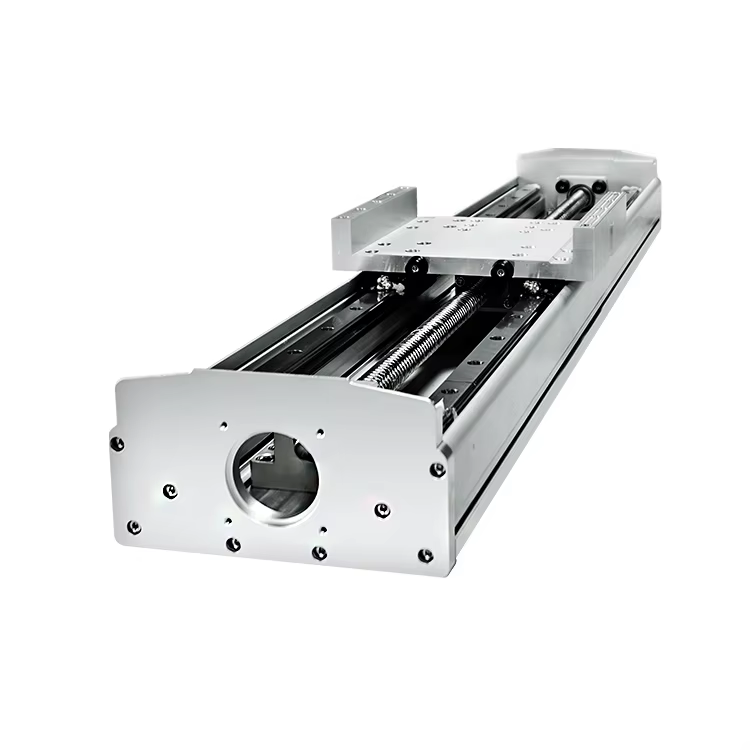
Linear motion in robots basically means moving along a straight line without any rotation at all. It's one of those core movements that automation relies on heavily. The precision of this straight-line movement makes it ideal for tasks needing really fine control, think things like making computer chips or putting together tiny medical devices. When we compare these linear systems to regular robotic arms that bend and twist, there's a big difference. Linear setups stay pointed the same way during their entire movement, which cuts down on those little error accumulations that happen when multiple joints are involved in a robot's arm.
Kinematic Definition: Translation Without Rotation
When talking about kinematics, linear motion basically means everything moves straight without turning. All parts of whatever is moving just slide along parallel lines, kind of like how a drawer slides in and out of a cabinet. This is totally different from rotary systems where things move in circles or curves instead. Most factories use special hardened rails or guideways to keep components moving along one straight line only. These systems can position objects with amazing accuracy, sometimes down to within 0.01 millimeters. Since there's no twisting or rotating involved, it makes life much easier for the computer controllers trying to figure out where everything should go next. That's why these linear systems work so well for fast assembly tasks where robots need to grab parts and place them precisely at high speeds.
Critical Enablers: Guideway Rigidity, Drive Synchronization, and Error Compensation
There are basically three key factors that make for solid linear motion in industrial robots. The first is having strong guideways that don't bend or flex much when carrying heavy loads. This becomes really important for machines dealing with weights over half a ton. Next up we have synchronized drive systems. These can be either linear motors or traditional ball screw arrangements, but what matters most is keeping everything moving in sync across multiple axes at once. Lastly there's the issue of errors creeping in from heat and vibrations. Modern systems now use laser measurement technology to constantly check and correct these problems in real time. As a result, manufacturers can maintain incredible precision levels down to just 5 microns over distances as long as ten meters, even when conditions inside the factory aren't perfect.
Robot Linear Motion vs. Rotary Motion: Structural, Actuation, and Performance Differences
Drive Systems Compared: Leadscrews, Belt Drives, and Linear Motors vs. Servo-Driven Joints
When it comes to motion control, linear systems work quite differently than their rotary cousins when looking at how they actually move things around. Take leadscrews for instance. They turn rotational motion into straight line movement via those threads we all know so well. Great for heavy lifting tasks where force matters most, but there's always that nagging issue with play developing over time as parts wear down. Belt driven systems offer something else entirely. With those tight belts running between pulleys, they can cover longer distances pretty fast. But stretch in the belt material tends to mess with accuracy measurements. At the cutting edge sit linear motors though. These bad boys create movement directly through electromagnetic fields along guide rails, no need for any intermediate parts like traditional gears. What this means is positioning gets super accurate, sometimes within just 0.01 millimeters repeatedly. On the other side of things, rotary mechanisms depend heavily on servos connected to special reduction gears such as planetary or harmonic types. While these setups boost torque output significantly, they also bring along problems with rotational flexibility that nobody really wants. Check out the table coming up next to see exactly what separates these different approaches structurally.
| Actuation Component | Robot Linear Motion Systems | Rotary Motion Systems |
|---|---|---|
| Primary Mechanism | Direct linear thrust (linear motors) | Gear-reduced rotation |
| Force Transmission | Minimal energy loss | Up to 15% efficiency loss in gears |
| Dynamic Response | <0.5 ms acceleration | Limited by rotational inertia |
Precision Metrics: Sub-millimeter Repeatability vs. Angular Resolution and Backlash Effects
The difference in precision really stands out when comparing different kinds of motion. Take linear movement for robots - we measure how repeatable it is along straight lines, often getting down to fractions of a millimeter accuracy around plus or minus 5 micrometers. This happens because of those solid guide rails and feedback from encoders. But there are problems too. Things get tricky with heat causing drift in ball screws, and the guides themselves bend a bit when heavy loads are applied. When looking at rotary systems, we talk about angles instead. These systems can detect changes as small as an arc second, but they face a big challenge called backlash. Think of it as that little gap of about half a degree where gears don't quite mesh perfectly, which makes them lag when direction changes happen quickly. Some high quality reducers help fix this issue, though they definitely come with a price tag attached. Medical laser alignment work shows just how much better linear systems perform compared to their rotary counterparts. According to some recent studies from 2023 in semiconductor manufacturing, linear systems beat rotary ones by about three times in terms of where they actually end up pointing.
Robot Linear Motion vs. Oscillating and Articulated Motion: Use Case Alignment and Limitations
When Linearity Wins: High-Accuracy Positioning, Pick-and-Place, and Metrology Applications
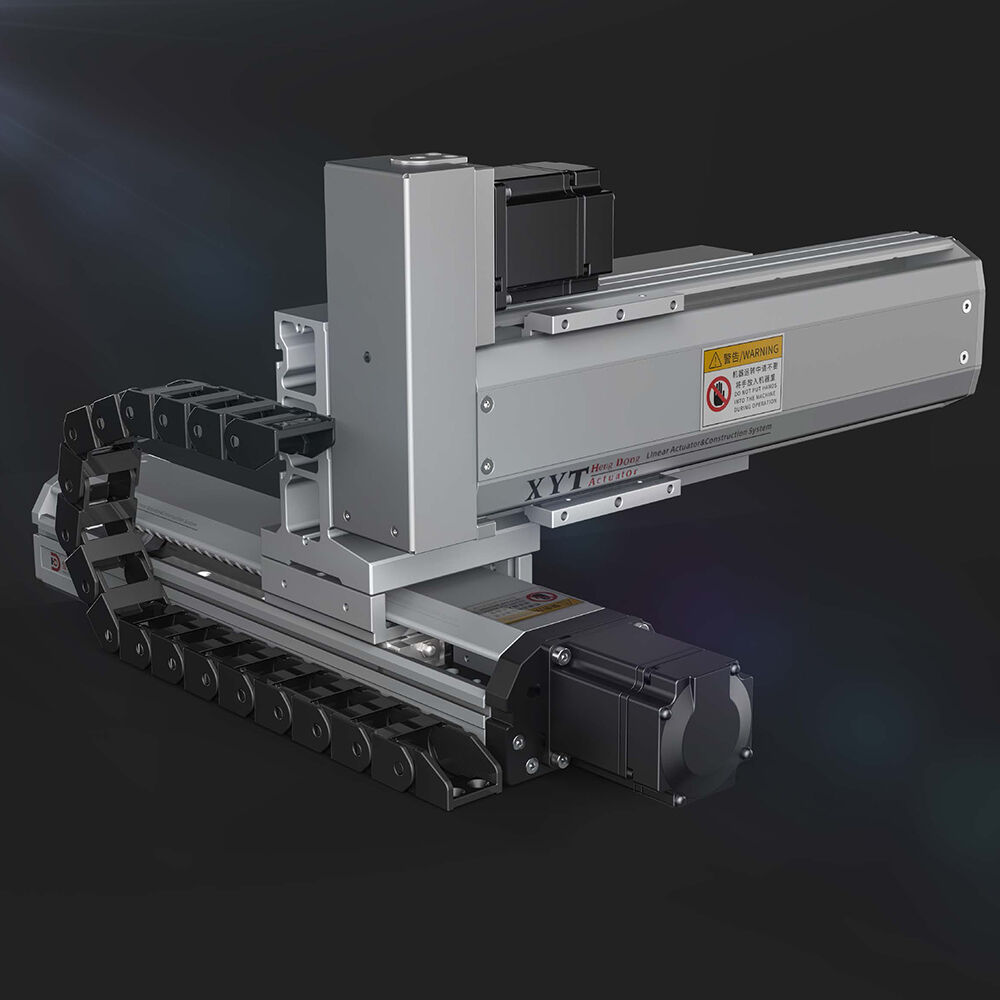
Robot linear motion dominates scenarios requiring micron-level path accuracy, outperforming oscillating and articulated systems in three critical areas:
- Precision manufacturing, where straight-line trajectories demand sub-0.1 mm repeatability—especially in semiconductor wafer handling and optical component assembly
- High-speed pick-and-place, where linear axes minimize acceleration-induced vibration, enabling >200 cycles/minute with consistent payload positioning
- Metrology validation, where laser interferometers and coordinate measuring machines (CMMs) require vibration-free straight-line travel for measurement integrity
These applications leverage linear systems’ elimination of rotational errors common in rotary joints.
Inherent Constraints: Limited Orientation Control and Workspace Flexibility
While excelling in straight-path tasks, robot linear motion faces inherent tradeoffs:
- Orientation limitations restrict end-effector adjustment to 1–2 axes versus the 6-DoF (Degrees of Freedom) offered by articulated arms—making complex welding paths or curved surface finishing impractical
- Workspace rigidity confines operations to predefined rectangular volumes, unlike articulated robots that adapt to irregular layouts through rotational joint configurations
- Reconfiguration barriers require physical realignment of guideways for task changes, whereas oscillating systems achieve rapid repositioning through programmable pendulum motions
These constraints make articulated alternatives preferable for dynamic environments requiring task flexibility.