EN
EN

Core Mechanical and Physical Properties of Rectangular Aluminum Extrusion
Strength-to-Weight Ratio and Structural Rigidity
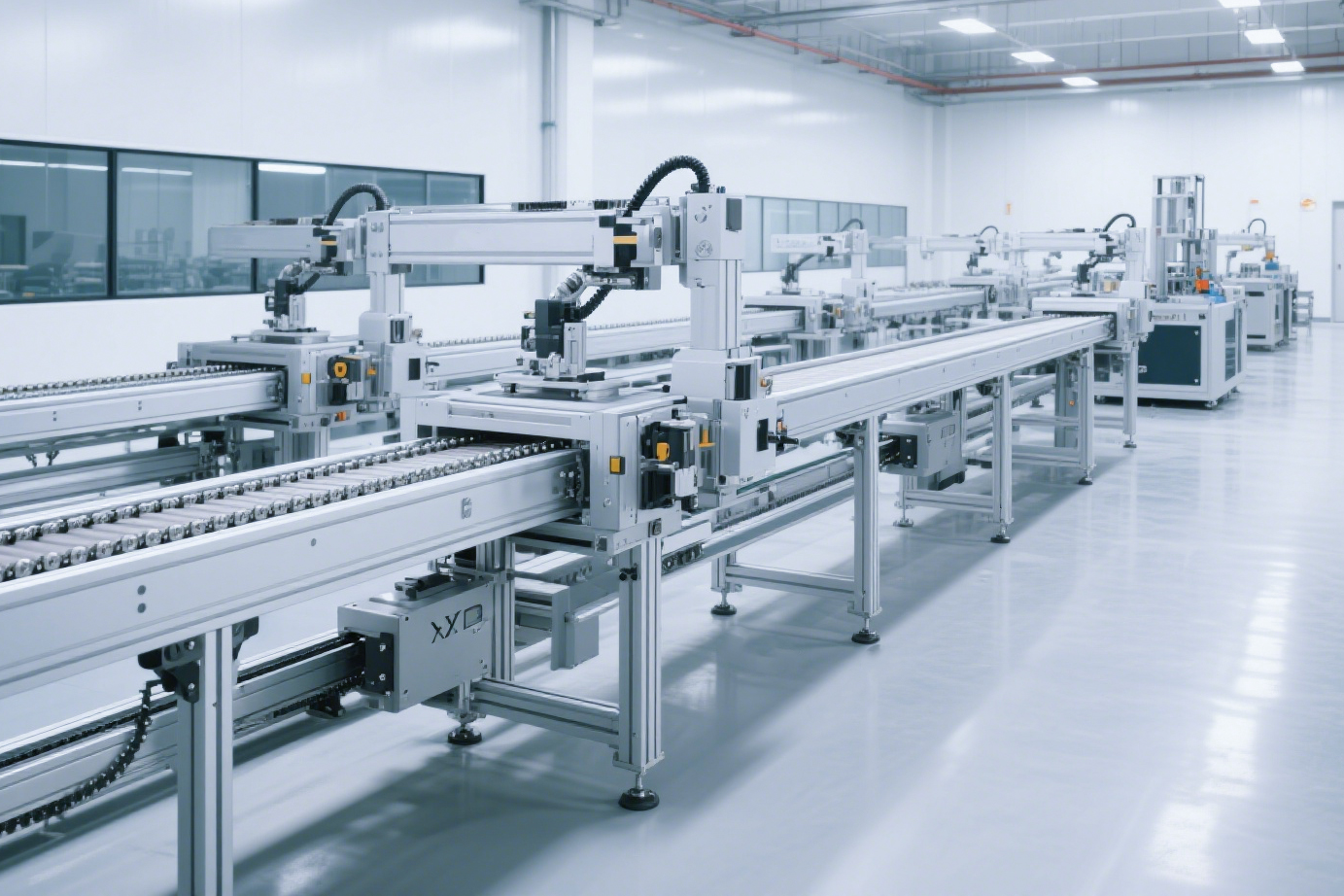
Aluminum extrusions in rectangular shapes offer something pretty special when it comes to strength versus weight. We're talking about materials that weigh roughly one third of what steel does but still hold up just as well structurally. The shape itself gives these profiles good resistance against twisting forces and spreads out loads evenly across their surface area. Take the 6000 series alloys for instance. According to Ponemon's research from last year, they can handle tensile stresses between 214 and 241 MPa. That makes them great choices for building frames that need to be both light and tough, especially in automated machinery and systems that move materials around factories. Another benefit worth mentioning is how flat those surfaces are. When components fit together seamlessly like puzzle pieces, assemblies become much more stable during operation. Plus there's less need for all those extra bolts and screws that complicate things.
Corrosion Resistance and Surface Enhancement Options
A naturally forming oxide layer gives rectangular aluminum extrusion inherent corrosion resistance—especially advantageous in marine or chemically aggressive environments. Surface treatments significantly extend service life and broaden functional scope:
| Treatment | Primary Benefit | Common Applications |
|---|---|---|
| Anodizing | Enhanced wear resistance | Architectural facades |
| Powder coating | UV stability + color options | Outdoor enclosures |
| Mechanical finishing | Improved aesthetics | Consumer electronics |
When properly applied, these treatments can triple service life in salt spray testing—while preserving dimensional stability and enabling custom aesthetics.
Thermal/Electrical Performance and Machinability Considerations
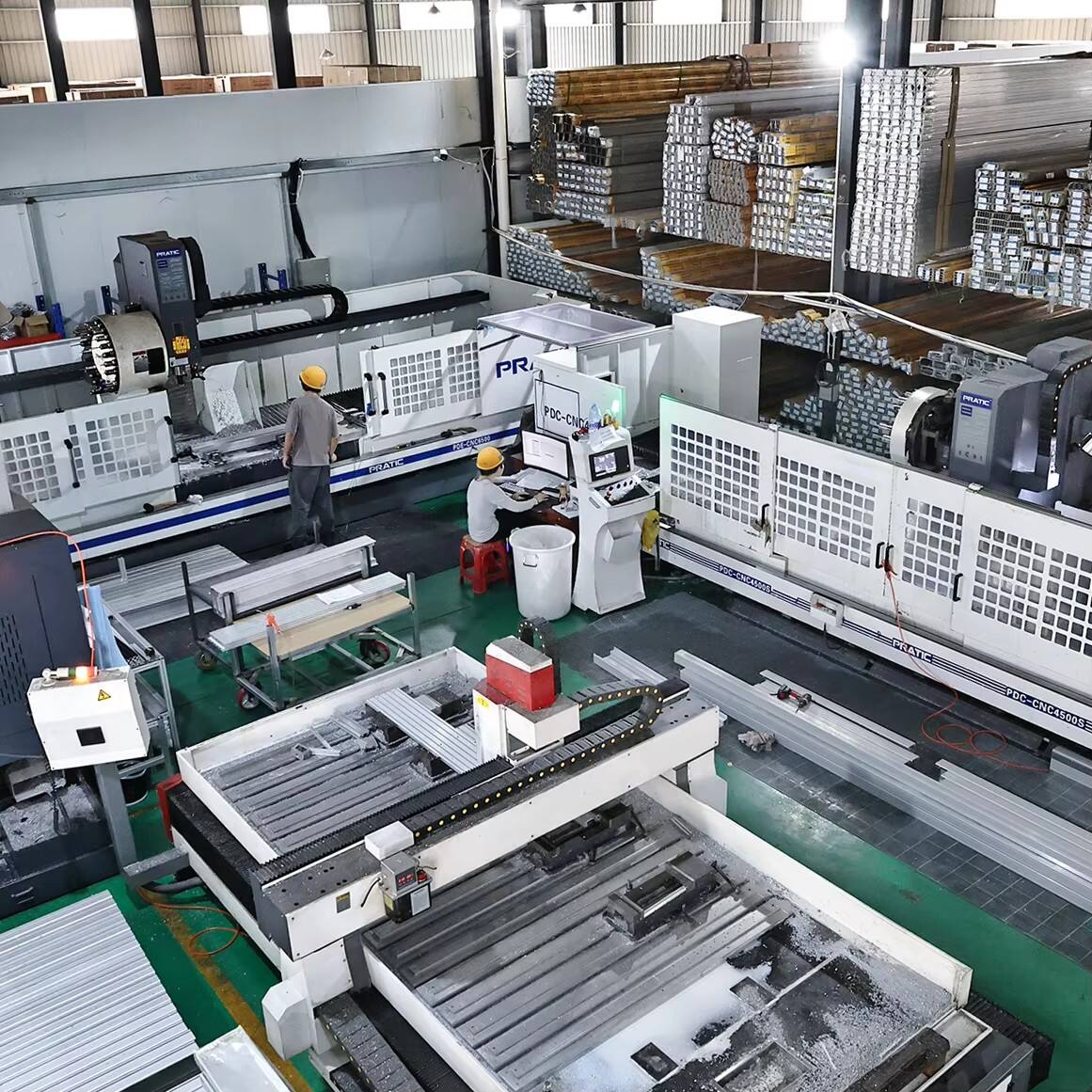
Rectangular aluminum extrusions have become popular for their excellent heat dissipation properties in LED housings and power electronic components. Thermal conductivity typically falls between 150 and 220 W/m·K which makes them ideal for managing heat buildup in compact spaces. When it comes to electrical performance, these extrusions offer around 35 to 40 percent IACS conductivity, making them suitable for grounding systems in wind farms and solar installations where reliability matters most. From a machining standpoint, they work well because they require less force during cutting operations and play nicely with high speed CNC machines. Standard milling techniques can produce clean edges without burrs, something that saves time on finishing work. Fabricators appreciate how these characteristics simplify production of precise slots, mounting holes, and built-in features too. The reduced need for additional processing steps translates into real money savings compared to other metal options, sometimes cutting costs down by nearly a third depending on the application.
Alloy and Temper Selection for Rectangular Aluminum Extrusion
6061-T6 vs. 6063-T5: Balancing Strength, Finish, and Fabrication Ease
The 6061-T6 alloy has impressive yield strength around 35 ksi or more, which makes it great for building structural machine frames when weight capacity matters most. This material gets its strength from higher levels of magnesium and silicon that help it hold up better during long periods of stress. On the flip side, 6063-T5 focuses more on how it looks and works with extrusion processes. It produces much smoother surfaces that are perfect for things like building facades or other parts that need to look good. Plus, manufacturers can make complicated shapes at lower costs with this one. Speaking of practical benefits, 6063-T5 conducts heat pretty well at about 180 W/m K, so it shows up frequently in heat sink designs. Both materials work fine with anodizing treatments, but many professionals prefer 6063-T5 because its smaller grain size gives colors a more even finish over time, especially important for projects where aesthetics count.
Specialized Alloys (5083, 6082) for Marine, Automotive, and High-Load Use
The marine grade 5083 aluminum extrusion stands up pretty well against saltwater corrosion because it contains about 4% magnesium. After welding, it still holds around 40 ksi tensile strength which is why ship builders often go with this material for hull parts and offshore structures. When looking at automotive applications like chassis frames or safety cages, the 6082 alloy performs better when subjected to repeated stress from moving parts. This happens mainly due to the right balance between silicon and magnesium content that allows cold forming operations without developing cracks during processing. Most suppliers offer these materials in H111 temper condition since this helps maintain stable dimensions even when exposed to harsh environments. Both types have good elongation properties exceeding 10%, making them suitable for complex fabrication tasks such as tight radius bends or attaching components mechanically without worrying too much about breakage issues down the line.
Dimensional Standards and Design Implications of Rectangular Aluminum Extrusion Profiles
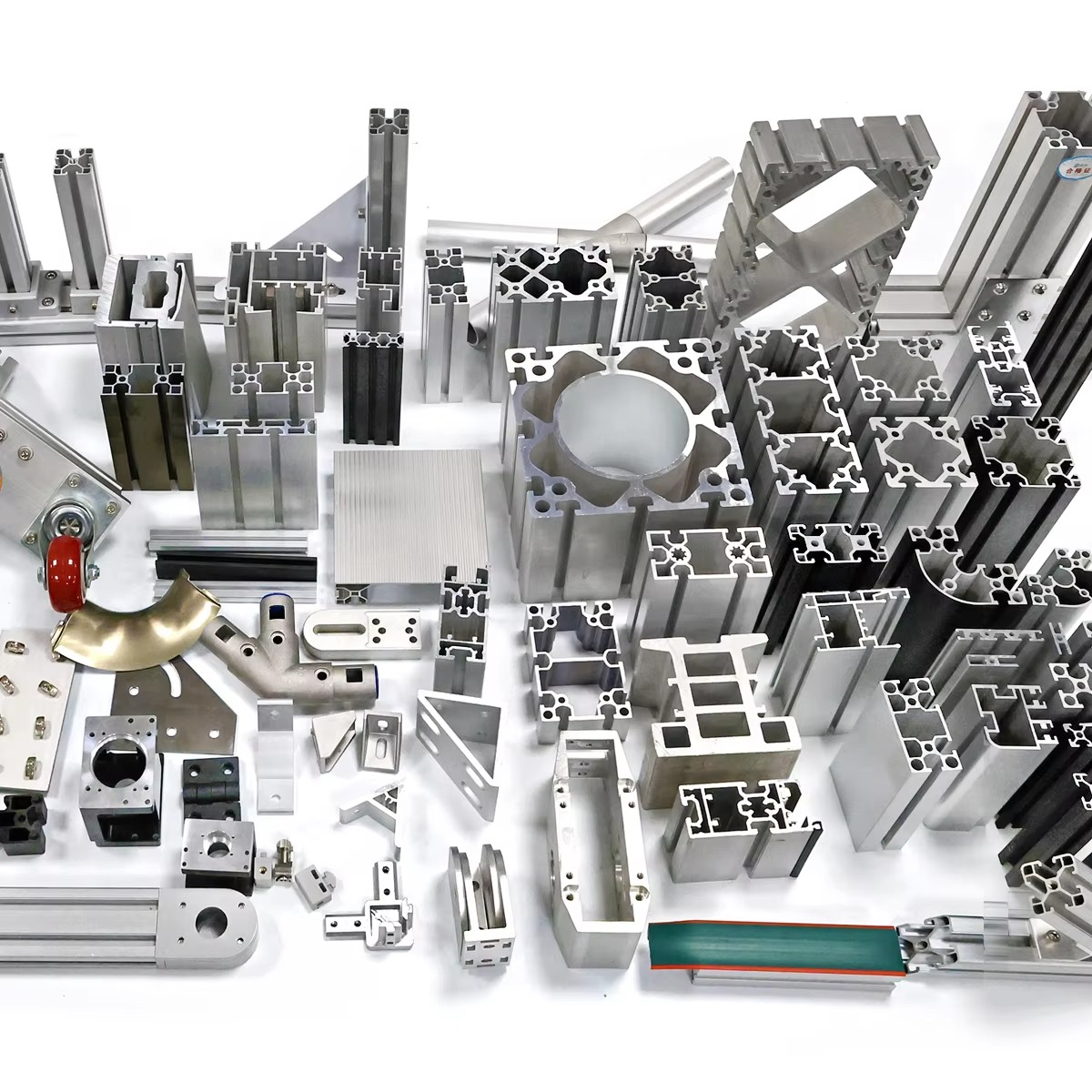
Most rectangular aluminum extrusions follow international standards like EN 12020-2 and ASTM B221 which helps maintain consistent wall thicknesses, corner radii, and straightness around plus or minus half a millimeter per meter. Getting these measurements right matters a lot when integrating into systems because good quality profiles stop problems with alignment on automated production lines and cut down on wasted materials during manufacturing. When designing parts, engineers face some tough choices between different shapes. Thinner walls make components lighter but often need extra support structures inside, whereas broader sections give better strength though they cost more in materials. Optical equipment mounts and precision measurement devices demand much tighter specs about one tenth of a millimeter accuracy to keep calibration stable over time. Using standard profile shapes saves money and speeds things up for quick prototypes or small batch runs, while special made extrusions allow clever integrations like hidden cable paths or cooling fins specifically needed for important enclosure designs and heat dissipation solutions.
Top Industrial Applications of Rectangular Aluminum Extrusion
Architectural Framing, Modular Enclosures, and Cleanroom Systems
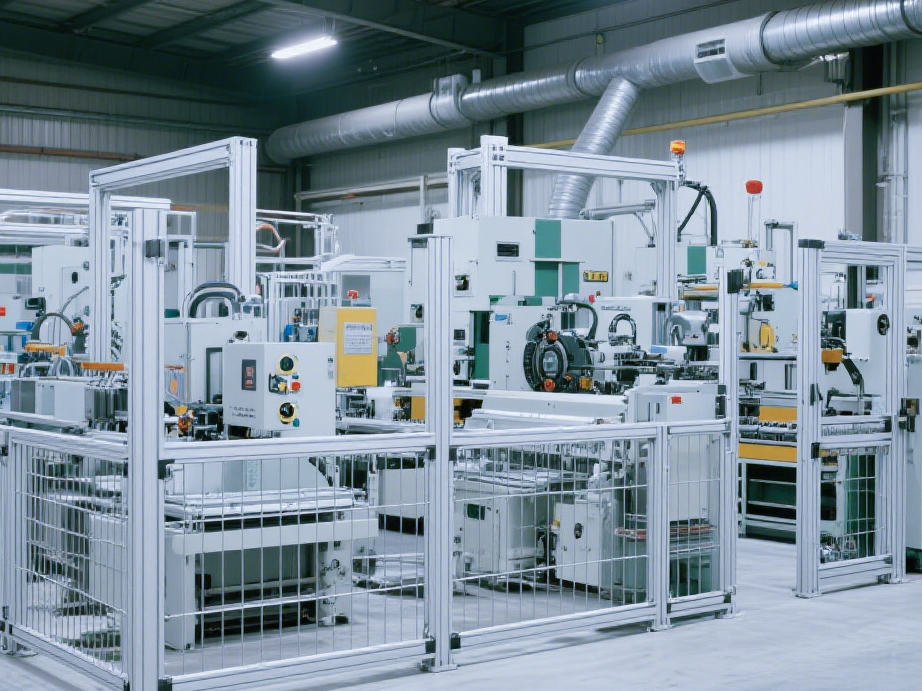
Rectangular aluminum extrusions form the foundation for many contemporary building designs these days. They show up everywhere from curtain walls and glass structures to skylight installations, offering good strength against corrosion plus plenty of options for how they look. The fact that these extrusions are so dimensionally accurate combined with their modular design makes them perfect choices for things like adjustable factory partitions, protective barriers around machines, and frames inside cleanrooms. For places needing really clean conditions like semiconductor manufacturing facilities or drug research labs, the non porous surface along with minimal joints helps keep those spaces at ISO standards between classes 5 through 8. Even better results can be achieved by adding special treatments such as hard anodizing or electropolishing which further enhance performance in critical environments.
Lightweight Structural Components in Automotive, Furniture, and Marine Industries
When it comes to electric vehicles, automotive engineers often go with rectangular aluminum extrusions for battery trays and reinforcing parts of the chassis. This switch saves around 30 to 50 percent in weight compared to traditional steel components while still holding up during crashes. The furniture world has caught onto this trend too. Extruded aluminum makes great table frames that look clean and modern, supports sturdy chair bases, and creates those modular display units seen in stores everywhere. These designs snap together quickly and last for years without showing wear and tear. For boats and yachts, aluminum is practically indispensable because it doesn't rust when exposed to seawater. Boat builders use it for ladders, housing units for navigation equipment, and even structural elements inside luxury yachts. Specialized cutting and shaping techniques create joints that stay tight and resist corrosion, which matters a lot when dealing with harsh ocean conditions on commercial fishing vessels or pleasure craft alike.