EN
EN

Transportation: Lightweight Structural Solutions for EVs, Rail, and Aerospace
Why large custom aluminum extrusions are critical for electric vehicle chassis and high-speed rail underframes
When it comes to large custom aluminum extrusions, they offer something special for both electric vehicle frames and high speed train understructures. These parts cut down on weight without making the whole thing flimsy. Switching from regular steel parts can actually make vehicles lighter by around 30 to 45 percent. That matters because lighter cars go further on each charge. Research shows about a 17% boost in driving range for every 10% weight loss. For trains running at over 200 miles per hour, the same strong yet light properties mean the underframe can handle all those forces without wearing out the tracks so fast. Another big plus is how these extrusions are made in one continuous piece rather than being welded together later. Welds and bolts tend to break down over time when things get shaken constantly, so getting rid of them just makes sense for lasting performance.
How corrosion resistance and crash compliance drive adoption in marine and aerospace applications
Marine grade aluminum alloys stand up against saltwater corrosion roughly eight times better than regular carbon steel options out there. This means boats last much longer before needing repairs, and maintenance expenses drop somewhere around 40 percent over time. When it comes to airplanes, FAA approved aluminum extrusions actually absorb about 22% more energy when tested under standard crash scenarios compared to similar parts made from titanium. The way these materials deform predictably gives designers freedom to build those critical crumple zones we see in modern planes, which ultimately protects passengers during accidents. Because of this unique property, manufacturers are increasingly turning to aluminum for building both the main body structures and internal framework components of new aircraft models coming down the pipeline.
Construction & Infrastructure: High-Performance Framing and Facade Systems
Large custom aluminum extrusions in seismic-resilient modular buildings and off-site prefabrication
Custom aluminum extrusions of large scale are changing what we expect from resilient buildings in modular construction settings. The material's better strength relative to its weight cuts down on those shaking forces during earthquakes by around 40 percent when compared with traditional steel or concrete structures. This matters a lot for places like emergency shelters located near earthquake-prone areas. When manufacturers make these components off site, they can take advantage of how precisely shaped the extrusions are, putting together walls and floors in factories where quality control is easier to maintain. Projects typically get completed faster this way, sometimes cutting construction time by roughly half. Another benefit comes from aluminum itself being naturally flexible enough to absorb some of the energy from ground movement without breaking apart completely. Even after buildings shift significantly during quakes, their basic structure stays intact. Plus, since aluminum doesn't corrode easily, these structures last much longer with minimal upkeep required, especially important for buildings situated along coasts or in areas with high humidity or chemical exposure risks.
Thermal break integration and dimensional stability for energy-efficient curtain walls and load-bearing modules
Large custom aluminum extrusions with thermal breaks stop heat from conducting through polyamide barriers between inside and outside sections, cutting down on building energy use somewhere around 15 to 25 percent. The dimensional stability of these materials keeps everything within tight tolerances even when temperatures swing wildly from as cold as minus 40 degrees Celsius up to 80 degrees Celsius. This means the seals stay airtight for years in those high performance curtain wall systems. Because they don't warp much, architects can design thinner sightlines and still fit triple glazed windows without worrying about thermal distortion issues. When it comes to supporting heavy loads, aluminum extrusions offer similar strength to steel but weigh about 60% less. Plus, since they expand very little when heated, there's no stress buildup at connection points which helps maintain structural integrity over time in tall buildings and other complex structures. All these features work together to help buildings reach net zero energy targets by managing heat passively and reducing reliance on heating ventilation air conditioning systems.
Renewable Energy: Durable, Scalable Mounting and Enclosure Solutions
Ground-mount solar trackers and wind turbine nacelle frames built with large custom aluminum extrusions
Custom made aluminum extrusions form the backbone of today's renewable energy projects. When it comes to ground mounted solar trackers, these materials stand up remarkably well against corrosion, lasting decades even when exposed constantly to sunlight, humidity, and all sorts of airborne particles without needing any protective coatings or galvanization treatments. Wind farms benefit too since aluminum frames for nacelles cut down on tower weight by around thirty percent compared to traditional steel options, which means better turbine performance overall while saving money on foundations. Another advantage worth mentioning is how aluminum conducts heat so efficiently, helping keep power electronics and gearbox components cool during long periods of operation. Plus, because aluminum can be shaped so easily, engineers create smooth aerodynamic designs that cut through wind resistance and prevent ice buildup. This becomes especially important out at sea where equipment needs to survive tough saltwater environments year after year.
Multi-cavity extrusion design consolidating components to reduce assembly time and lifecycle maintenance
The multi cavity extrusion tech is changing how we put together renewable systems. It combines things like wiring conduits, fastener channels, cooling ducts and structural reinforcement into one single profile instead of having separate components. What this means is that instead of dealing with complicated welds or bolts, we get these solid structures that can cut down on solar mounting steps by somewhere between 40 to 60 percent. Fewer parts also means fewer places where something might go wrong, plus easier maintenance because there are clear paths for service work. Some wind turbine makers have seen their nacelle production speed up about 25% when they switch to extrusions that already have built in cable management and temperature control features. The aluminum used stays stable even when temperatures spike in hot desert conditions, so everything stays aligned properly without needing expensive adjustments later on. Overall, these designs reduce the number of parts needed, cut back on extra manufacturing steps, and require less maintenance over time. This leads to lower costs when installing the system and makes the whole structure more reliable throughout its lifespan which typically lasts well over 25 years.
Industrial Machinery & Defense: Heavy-Duty, High-Strength Structural Platforms
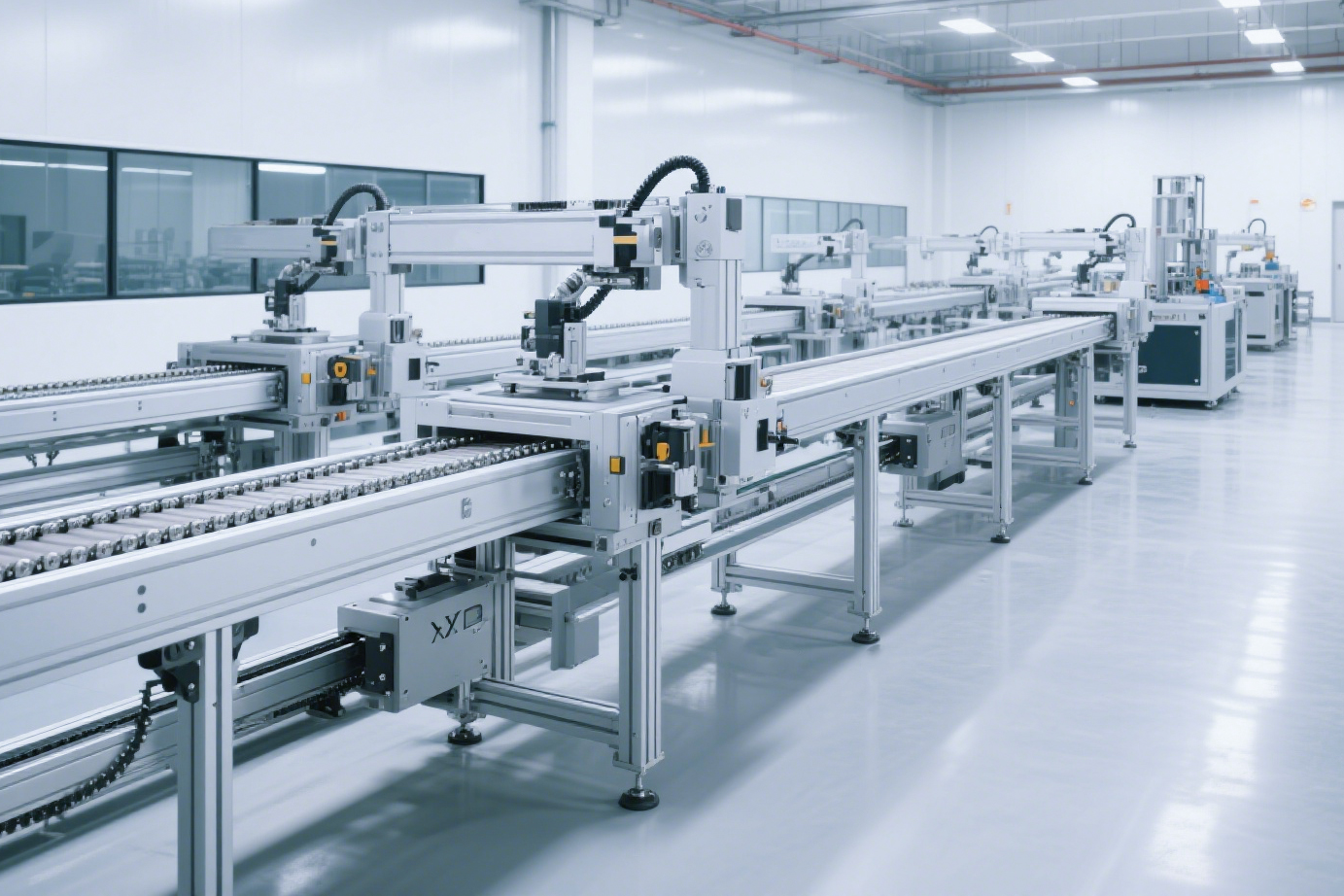
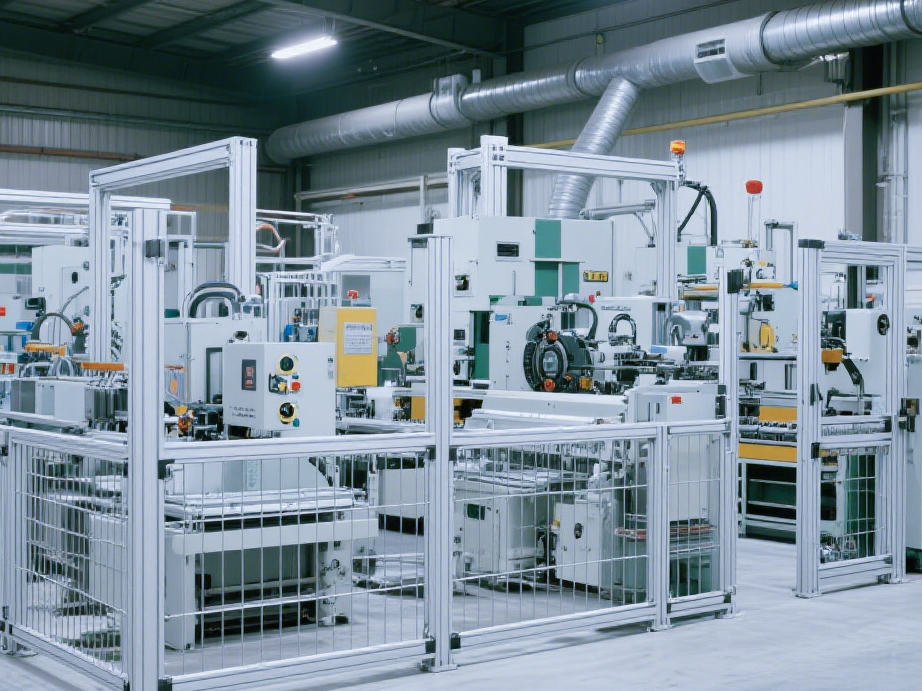
Custom aluminum extrusions serve as the essential foundation for many types of industrial equipment and military systems where how well something holds together literally affects whether operations stay safe, mobile, and functional under pressure. These specialized components are built to handle massive weights sometimes over 1000 kg per square meter alongside ongoing vibrations and tough conditions outside controlled environments. Aluminum works so well here because it combines strength with light weight and resists rust, allowing manufacturers to combine multiple parts into one solid piece that meets tight dimensional requirements. The result? Faster production times cutting down fabrication efforts by around 25-30% in most cases, plus fewer potential failure spots compared to traditional methods involving welds or bolts that can loosen over time.
Custom extrusions play a big role in defense tech, making possible things like quick setup shelters, mobile command posts, and armored vehicle frames built to withstand bullets and block electromagnetic signals. These profiles have precision machined spaces inside them that hold hydraulic lines, electrical wiring, and reinforcement parts all integrated right into the metal itself, which creates one solid piece ready for action straight out of the factory. When compared with old school steel fabrication methods, going with aluminum cuts down on weight by around 40 percent while still holding up under heavy loads. This makes a real difference for military vehicles since they burn less fuel during missions and also simplifies installation work at permanent bases or industrial sites. After putting these components through extensive testing for wear and tear under different conditions, engineers see they perform reliably over thousands of stress tests. No wonder then why so many defense contractors rely on these materials when nothing but total reliability will do.
Table of Contents
- Transportation: Lightweight Structural Solutions for EVs, Rail, and Aerospace
- Construction & Infrastructure: High-Performance Framing and Facade Systems
- Renewable Energy: Durable, Scalable Mounting and Enclosure Solutions
- Industrial Machinery & Defense: Heavy-Duty, High-Strength Structural Platforms