EN
EN

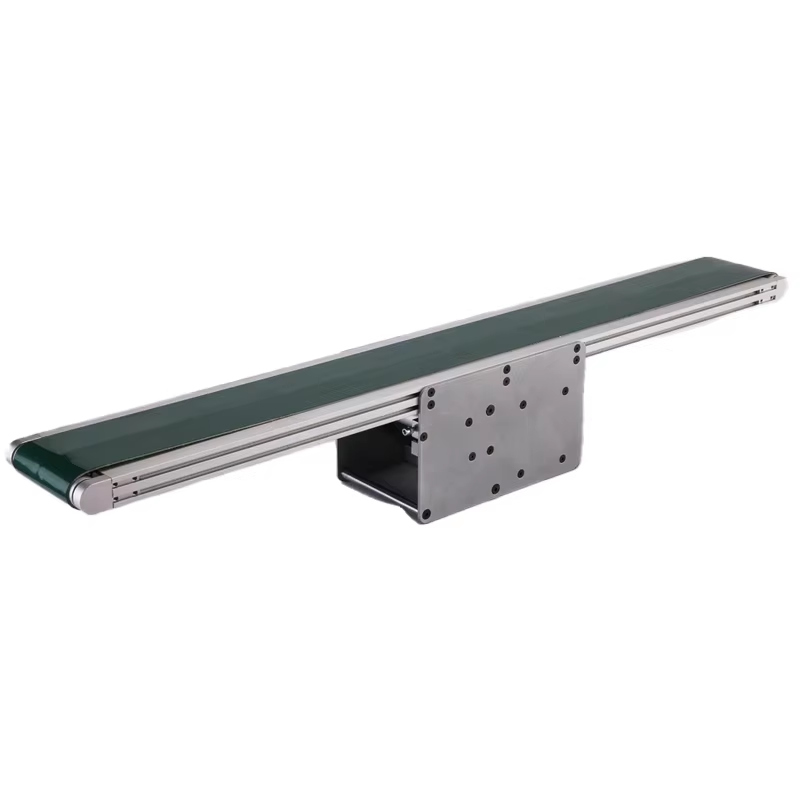
When bringing modern conveyor systems into older facilities, there are basically three areas that need careful attention. First comes the mechanical side of things. The new equipment has to match what's already there in terms of how much weight it can handle, whether speeds line up properly, and if everything physically fits together without issues. Then there's the electrical aspect. A lot of problems pop up here because old systems often run on different voltages than newer ones. Industry reports show this happens in about two thirds of retrofit jobs, so getting those power requirements sorted out through good interface design is absolutely essential. The trickiest part by far tends to be integrating the control systems. Old programmable logic controllers just don't talk to smart IoT devices very well, which is why we need these special protocol converters to act as translators between them. Taking care of each of these areas step by step keeps operations running smoothly and maintains production levels even when mixing old and new technology.
When companies implement changes in stages instead of shutting everything down at once, they cut operational disruptions by around 78%. The process usually starts with those conveyor belts that aren't mission critical first. Teams get to test how parts fit together mechanically and check if the control systems work properly before moving onto the heart of production. Most manufacturers schedule these next steps during regular maintenance periods so they can run both old and new equipment side by side. This staged approach saves about 40% on upfront costs and lets operators tweak things as they go along. Plants that adopt this gradual rollout strategy manage to keep roughly 95% of their normal output while transitioning, which is way better than the industry standard of just 52% when companies try to switch everything over all at once.
Modern warehouses demand flexible material handling solutions. With modular architectures and standardized interfaces, today's conveyors and conveying systems enable rapid adaptation to shifting workflows—without costly reengineering or extended downtime.
When dealing with those unpredictable seasonal rushes and ever-changing SKUs, modern conveyor systems rely on two key breakthroughs. The first one involves modular components that snap together with standard connections, so warehouse staff can adjust conveyor paths without needing special equipment. This setup cuts down on realignment time by around three quarters when business picks up during busy seasons. For the second innovation, we're seeing systems that analyze traffic patterns in real time and direct products through smart diverts automatically. This helps cut down on jams and slowdowns by almost two thirds during big sales events. These features work hand in hand to switch smoothly between moving large batches and individual items, something absolutely necessary when demand suddenly jumps over double normal levels according to Logistics Management's findings last year.
A high-volume fulfillment center achieved significant performance gains after deploying AI-driven flexible conveying systems:
| Metric | Before Implementation | After Implementation | Improvement |
|---|---|---|---|
| Sortation Cycle Time | 8.2 minutes | 5.4 minutes | 34% faster |
| Peak Capacity | 12K units/hour | 16K units/hour | +33% |
| Changeover Duration | 3.5 hours | 47 minutes | 78% less |
The reconfigurable zones accommodated unpredictable product sizes and velocity changes, supporting a 42% increase in SKU diversity. These improvements proved vital in an environment where 68% of warehouses report weekly layout changes due to e-commerce volatility (DC Velocity 2023).
Smart conveyor setups really boost productivity in tight spaces by making good use of vertical space and multiple levels. When companies install overhead conveyors, they actually save valuable floor area for tasks that generate revenue rather than just moving products around. Mezzanines work well with these systems too, creating layered workflow paths that make sense for complex operations. The modular nature of modern conveyor systems means they can fit into almost any warehouse layout, no matter how odd shaped it is. These systems allow goods to move both vertically between floors and horizontally across aisles without getting stuck anywhere. Warehouse managers report seeing travel distances cut down by roughly 40% in busy facilities, which obviously speeds things up considerably. Good design includes placing merge points and transfer stations at strategic locations throughout the facility. This keeps everything flowing smoothly even when demand spikes, so businesses can scale operations while still keeping workers safe and maintaining easy access to critical areas.
Today's conveyor systems are basically smart networks thanks to artificial intelligence. The machine learning stuff looks at all sorts of sensor information in real time like vibrations from moving parts, temperature changes, and how fast things are moving along the line. This helps spot potential breakdowns before they happen sometimes as much as three days ahead of time. Industry numbers show this kind of foresight cuts down unexpected stoppages by about 30%. At the same time, smart routing software keeps changing where materials go depending on what orders need attention most, where there are traffic jams in the system, and which machines are free to work. When online shopping spikes hit, these intelligent systems find alternate routes around problem areas and spread out workload across different zones. As a result, factories can handle 18% more product movement during busy periods without having to spend money on new equipment or bigger facilities.
Smart conveyors do need some upfront spending on sensors, control systems, and getting everything integrated properly, but what companies get back makes sense financially. Looking at data from MHI's recent study covering around 400 warehouses that went automated, they found most places saw their money back in about 22 months on average. Three main factors contributed to this: saving money on labor because sorting happens automatically now, cutting down on electricity bills thanks to AI that manages when motors run, and avoiding equipment breakdowns before they happen through predictive maintenance tech. For many operations, these systems start paying for themselves within just over two years. What begins as a big purchase ends up being something valuable that helps companies compete better instead of just another line item in expenses.