EN
EN

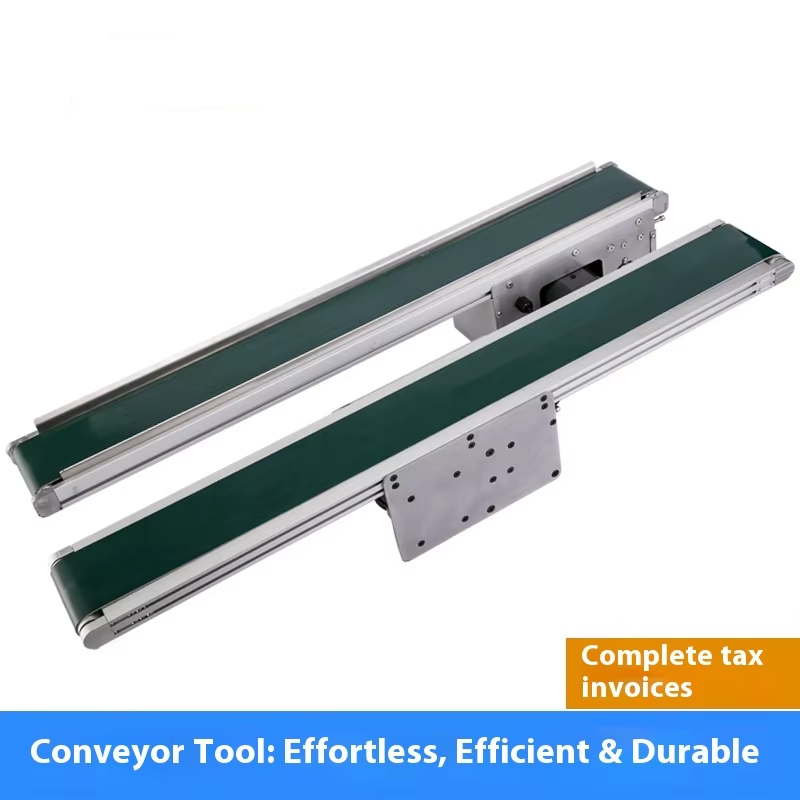
What gets moved around has a huge impact on how conveyor systems need to be built. When dealing with heavy stuff like mineral ores, engineers typically go for reinforced steel belts, keep the supports no more than half a meter apart, and install high torque drives so nothing sags or slips along the way. On the flip side, transporting delicate electronics requires completely different approaches. These need smooth running polymer belts that create less friction, rollers designed to absorb vibrations, and carefully controlled speeds to stop any potential damage. For items that are either fragile or tend to tip over, proper angle settings become critical both when going uphill and downhill, plus special anti-tip features must be incorporated at transfer points. According to research by Ponemon Institute back in 2023, getting these specs wrong leads to system breakdowns costing companies about $740 thousand each time they happen due to lost production time. This clearly shows why understanding what's being transported matters so much for keeping machinery reliable.
The chemical properties of materials play a big role when choosing components and deciding on surface treatments for industrial applications. For foods that absorb moisture, manufacturers typically go with stainless steel frames that have been electropolished to meet FDA standards. These surfaces need to work well with Clean-in-Place systems too, since they help prevent bacteria buildup in processing areas. Automotive parts dealing with oils often need sealed bearings to stop leaks, plus polyurethane belts that won't break down when exposed to lubricants. Chemicals that are either very acidic or caustic present different challenges altogether. In those cases, engineers usually specify special alloys like Hastelloy that can withstand harsh conditions without corroding. When working with thick substances such as adhesives or concrete mixtures, heated rollers become essential. Many plants also install scraper systems alongside these rollers to keep things flowing smoothly through the production line. Getting all these details right makes a real difference. Proper specification choices cut down on contamination problems and can actually double the lifespan of equipment in tough processing environments according to industry experience, though reaching that 40% improvement mark requires careful planning and execution.
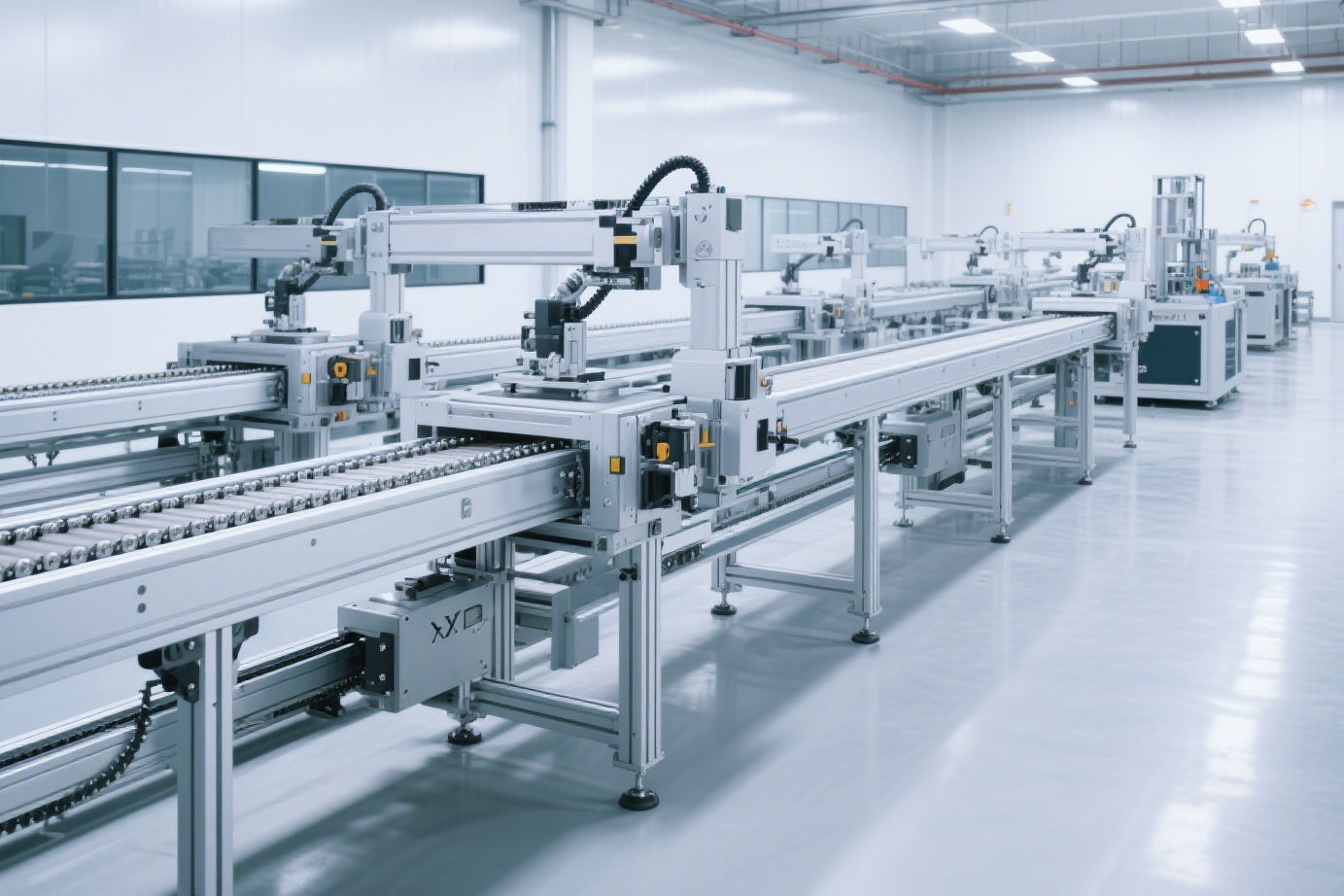
For conveyor systems to work properly throughout different parts of production like thermal ovens, cooling tunnels, labeling stations, fillers, and packagers, they need to be synchronized without creating any delays that would slow down the whole process. Take baking lines as an example. They require special heat resistant belts that move at a controlled pace so products come out consistent every time. Packaging areas are completely different though. These sections need fast but accurate movements to get items placed correctly and sealed properly. The way these systems need to function determines how the entire layout looks on the factory floor whether it has curves, slopes, or those Z-shaped frames we often see. Modern equipment now comes with variable frequency drives and adjustable supports that let operators make adjustments on the fly. This helps things flow smoothly from one machine to another and can boost efficiency around 30% in fully automated plants according to industry reports.
Today's conveyor systems rely heavily on programmable logic controllers, or PLCs for short. These devices let operators tweak speeds, change directions, and adjust sequences on the fly something that makes all the difference when production lines need to adapt quickly. Most facilities also use SCADA systems these days. They give managers a bird's eye view of operations and pull data from various sources like optical scanners, weight sensors, and proximity detectors to keep tabs on product quality and spot problems before they become major issues. For companies serious about Industry 4.0, having open communication standards like OPC UA is pretty much essential if they want their machines talking to each other securely across different manufacturers. The whole setup really pays off when it comes to maintenance too. Sensors can send warnings ahead of time so technicians know what might go wrong next. Some plants have seen as much as a 20% drop in unexpected shutdowns thanks to this early warning system. Plus, the same network allows for smarter energy management and easier upgrades down the road since everything connects back to cloud based diagnostic tools for real time analysis.
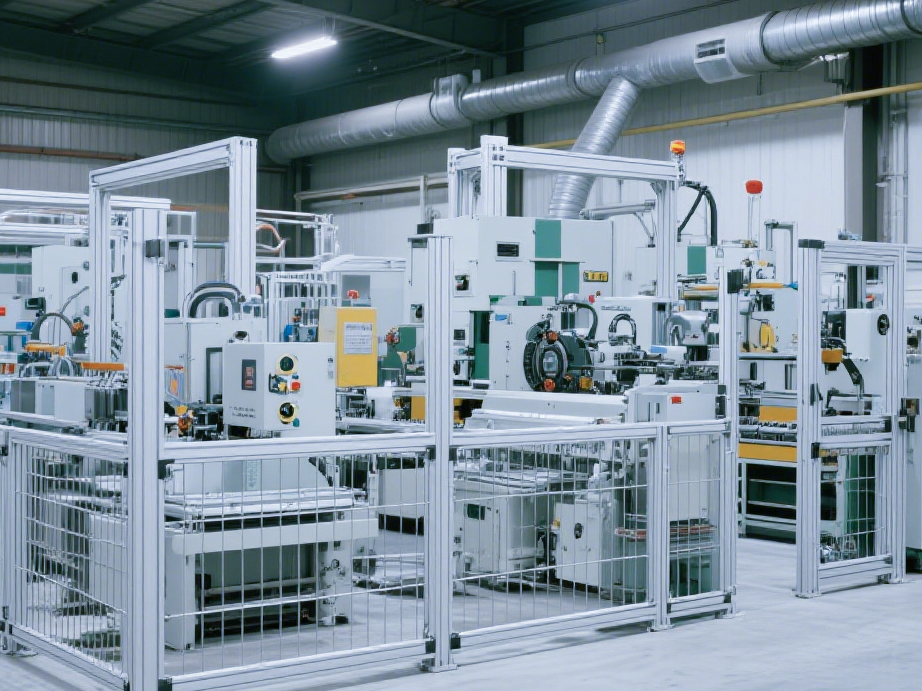
Conveyor systems must withstand harsh operating environments to ensure continuous, compliant operation. Two critical factors dictate their design specifications:
High-pressure, high-temperature washdowns—common in food, beverage, and pharmaceutical facilities—demand rigorously rated components. Systems must feature:
In explosive atmospheres—such as grain handling, solvent-based coating lines, or chemical processing—conveyors must comply with ATEX (EU) or IECEx (international) directives. Key requirements include:
The way facilities are laid out and their structural limits really impact how conveyors can be designed and what kind of flexibility they offer operationally. When there isn't much floor space available, straight line setups usually won't work. Instead, we need to get creative with geometry adaptations like tight radius curves, vertical lifts, or even Z shaped or spiral frame configurations that can weave around columns, mezzanines, or old equipment already in place. Modular conveyor systems have become quite popular lately, especially ones featuring low profile rollers, overhead trolleys, or gravity fed chutes. These setups help make better use of vertical space while still leaving enough room on the floor for workers and material handling vehicles to move around safely. The incline angles, pivot points, and articulated sections all contribute to making these systems adaptable when dealing with different elevations within a facility. Structural strength matters too. We need to consider not just what the system will handle today but also potential expansions down the road. Reinforced frames stop things from bending under heavy loads or during sudden movements, and having standard mounting points makes it easier to rearrange components later if needed. Clearance is another important factor. Most experts recommend keeping at least 18 to 24 inches free space on either side so maintenance crews can access equipment without shutting everything else down. Get all these elements right together and facilities typically see about a 30% boost in how effectively they use their available space, plus they're setting themselves up for growth in the future.
Conveyor belt selection is influenced by factors such as the weight, size, fragility, moisture, viscosity, oil content, and corrosiveness of the materials being transported.
Conveyor systems are integrated with production workflows by synchronizing speed, layout, and stages from thermal processing to packaging, ensuring seamless operations.
Conveyor systems must meet sanitary, washdown, and hazardous area standards such as IP69K, ATEX, and IECEx to ensure reliable and compliant operation.