EN
EN

Ensuring Product Quality and Patient Safety Through Contamination Control
Pharmaceutical manufacturing demands an environment where microbial and particulate contamination is rigorously controlled. While the industry focuses on HVAC systems, HEPA filtration, and strict protocols, the physical infrastructure—walls, ceilings, doors, workstations—plays an equally vital role. This is where precision-engineered aluminum profiles from Dongguan Hengdong Aluminum Materials Co., Ltd. contribute directly to contamination control.
How the Cleanroom Prevents Microbial and Particulate Contamination in Drug Manufacturing
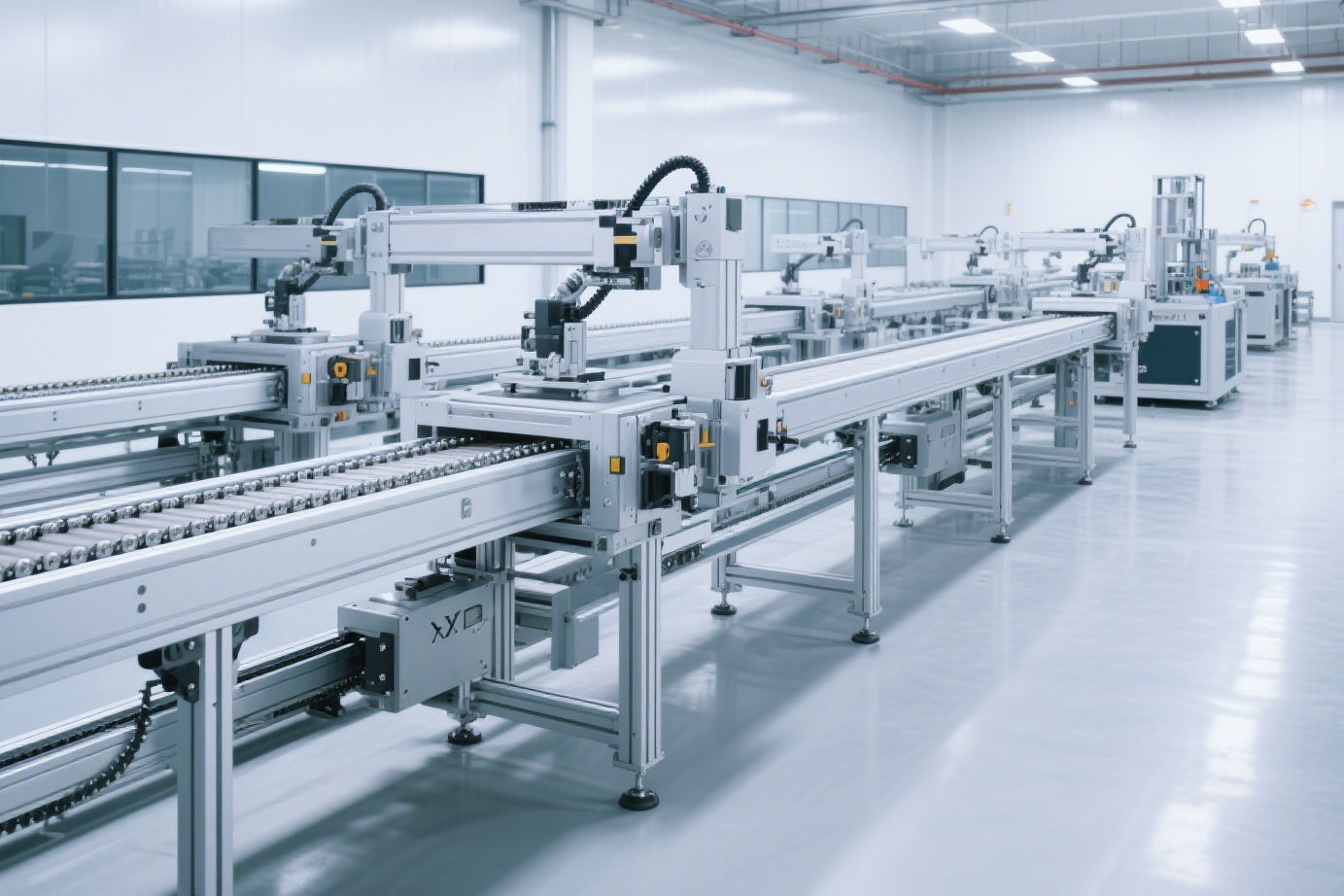
Modern pharmaceutical cleanrooms rely on sophisticated engineering to exclude contaminants, but the effectiveness of these systems depends on the integrity of the room itself. Hengdong’s cleanroom-grade aluminum profiles are used to construct robust, smooth-surfaced frames for walls, ceilings, and pass-through chambers. Unlike traditional materials that may shed particles or corrode, these extruded profiles are surface-treated to eliminate microscopic crevices where microbes can harbor. Combined with HEPA filters capturing 99.97% of particles down to 0.3 microns and air change rates of 20–40 per hour, the seamless integration of aluminum structures ensures that ISO 5 to 7 cleanliness levels are maintained. Research in the Journal of Pharmaceutical Innovation confirms that facilities with comprehensive contamination control—including high-quality construction materials—experience up to 67% fewer batch failures.
Protecting Product Integrity and Patient Safety with Controlled Environments
Maintaining positive pressure differentials is essential to prevent ingress of contaminants, especially for sterile injectables and biologics. Hengdong’s precision aluminum framing systems support airtight enclosures and cleanroom doors that seal effectively, preserving pressure cascades of 10–15 Pa between zones. Real-time particle counters and microbial air samplers continuously monitor conditions, but the structural foundation must be reliable. The WHO Medication Safety Report (2022) attributes nearly 40% of drug-related adverse events to contaminated injectables—a risk mitigated by robust cleanroom construction.
Managing Human-Generated Contamination: The Impact of Personnel on Cleanroom Performance
Despite automation, personnel contribute about 72% of cleanroom contaminants (2024 manufacturing quality report). Gowning protocols and air showers are essential, but the physical layout also matters. Hengdong’s modular aluminum profiles enable the creation of anterooms, pass-through hatches, and ergonomic workstations that guide personnel flow and minimize turbulence. Smooth, non-porous aluminum surfaces are easy to clean and resist microbial adhesion, helping reduce skin flakes and respiratory droplets by nearly 90% in ISO 5 areas. Data from the PDA Journal shows that facilities with comprehensive contamination control—including well-designed infrastructure—experience 53% fewer sterile product release issues.
Compliance with Global Regulatory Standards (FDA, EMA, cGMP, and ISO)
Regulatory bodies demand that cleanrooms meet stringent standards through certification and validation. Hengdong’s aluminum profiles are manufactured to precise tolerances, facilitating compliance with ISO 14644-1 and EU Annex 1 requirements for particle counts and surface finish. The materials themselves are inert, non-shedding, and resistant to cleaning agents, supporting data integrity and audit readiness. Failure to comply can lead to recalls averaging $2.3 million—a risk reduced by investing in certified cleanroom components.
Core Engineering Systems: HVAC, Air Filtration, and Airflow Management
HEPA filtration and air change rates are critical, but the delivery of clean air depends on ductwork and diffusers. Hengdong’s aluminum extrusions are used to create lightweight, corrosion-resistant support structures for HVAC components, ensuring stable positioning and minimal particle generation. Laminar airflow systems, essential for aseptic processing, benefit from precisely aligned aluminum ceiling grids that direct air uniformly. Temperature (±1°C) and humidity (30–50% RH) control are also supported by aluminum-framed enclosures that prevent thermal bridging and condensation.
Cleanroom Design and Environmental Monitoring for Continuous Compliance
Design principles for aseptic processing emphasize materials that do not shed or absorb contaminants. Hengdong’s cleanroom-grade aluminum features smooth, sealed surfaces and is available with antimicrobial coatings. Welded floor joints and gasketed lighting fixtures complement aluminum-framed modular walls, creating an integrated barrier. Real-time monitoring sensors track particles, microbes, and parameters; these sensors are often mounted on adjustable aluminum brackets. When particle counts exceed ISO 7 limits (3,520/m³), immediate alerts enable rapid response—preventing costly sterility failures that average $740,000 each.
Proactive Contamination Control Strategies in High-Traffic Areas
Pressure cascade systems maintain 10–15 Pa differentials, but airflow can be disrupted by personnel movement. Hengdong’s reconfigurable aluminum anterooms with interlocking pass-through hatches reduce microbial ingress by up to 66% compared to fixed designs. These modular solutions adapt to changing production needs while maintaining rigorous contamination control.
By integrating Hengdong’s precision aluminum profiles into cleanroom infrastructure, pharmaceutical manufacturers build a foundation that actively supports contamination control, regulatory compliance, and ultimately patient safety.